Beatrix Potter
-
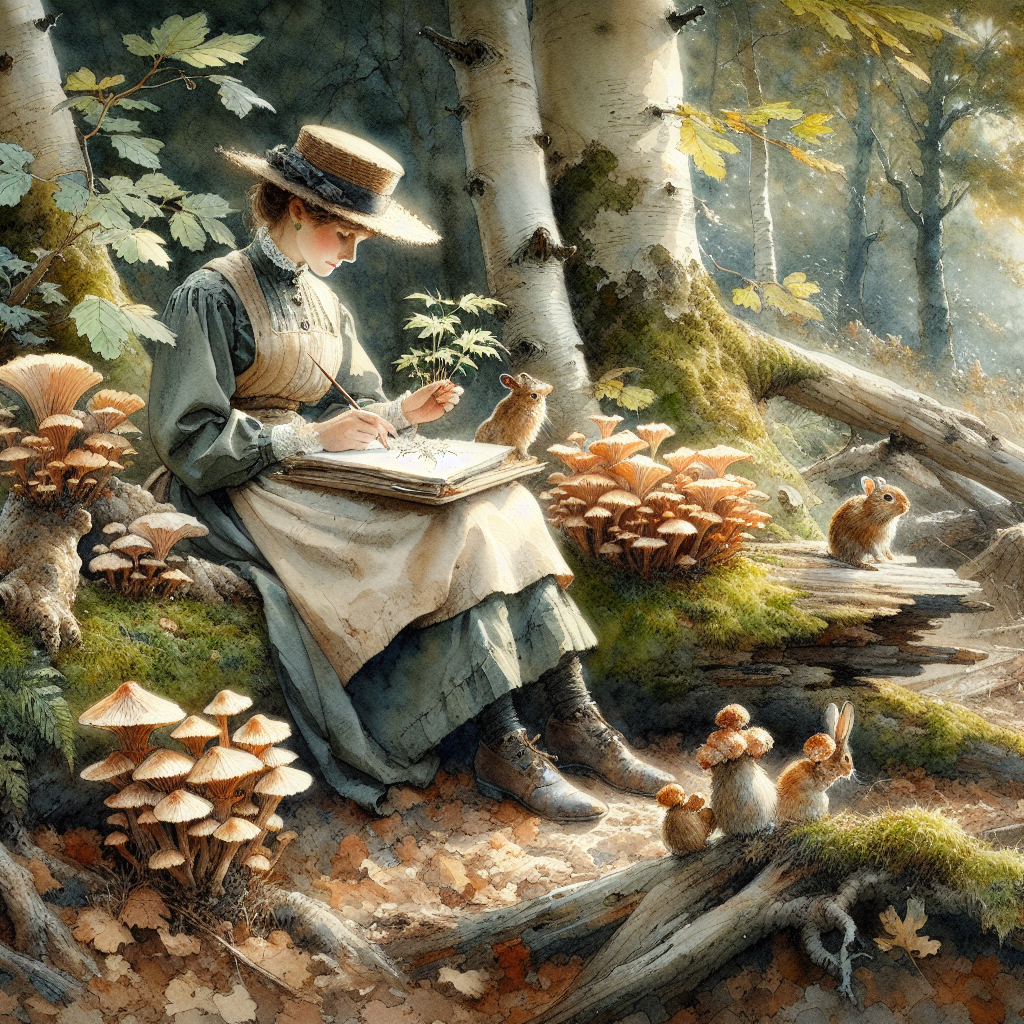
I finished a bio of Beatrix Potter, born 1866, so that means it's time for a #EuropeanBios thread, lucky #77. She is primarily famous as the author and illustrator of Peter Rabbit and other books for children, but there is a great deal more to her story, both triumph and tragedy.
-
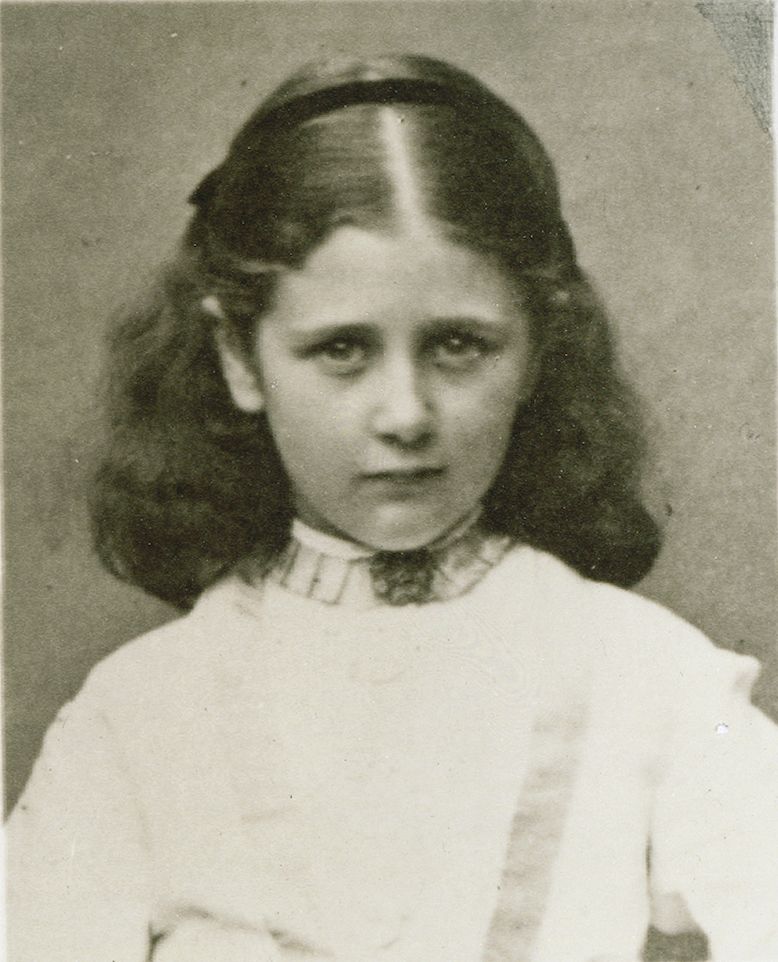
Photograph of young Beatrix Potter as a child, taken by her father Rupert Potter, an enthusiastic amateur photographer Photograph of Beatrix Potter, public domain -
She was born into money, and not a little of it: her grandparents (on both sides) were part of the "cotton oligarchy" in Lancashire (outlined) who made enormous amounts of money owning cotton mills and invested it into the industrial boom in railroads, making even more.
-
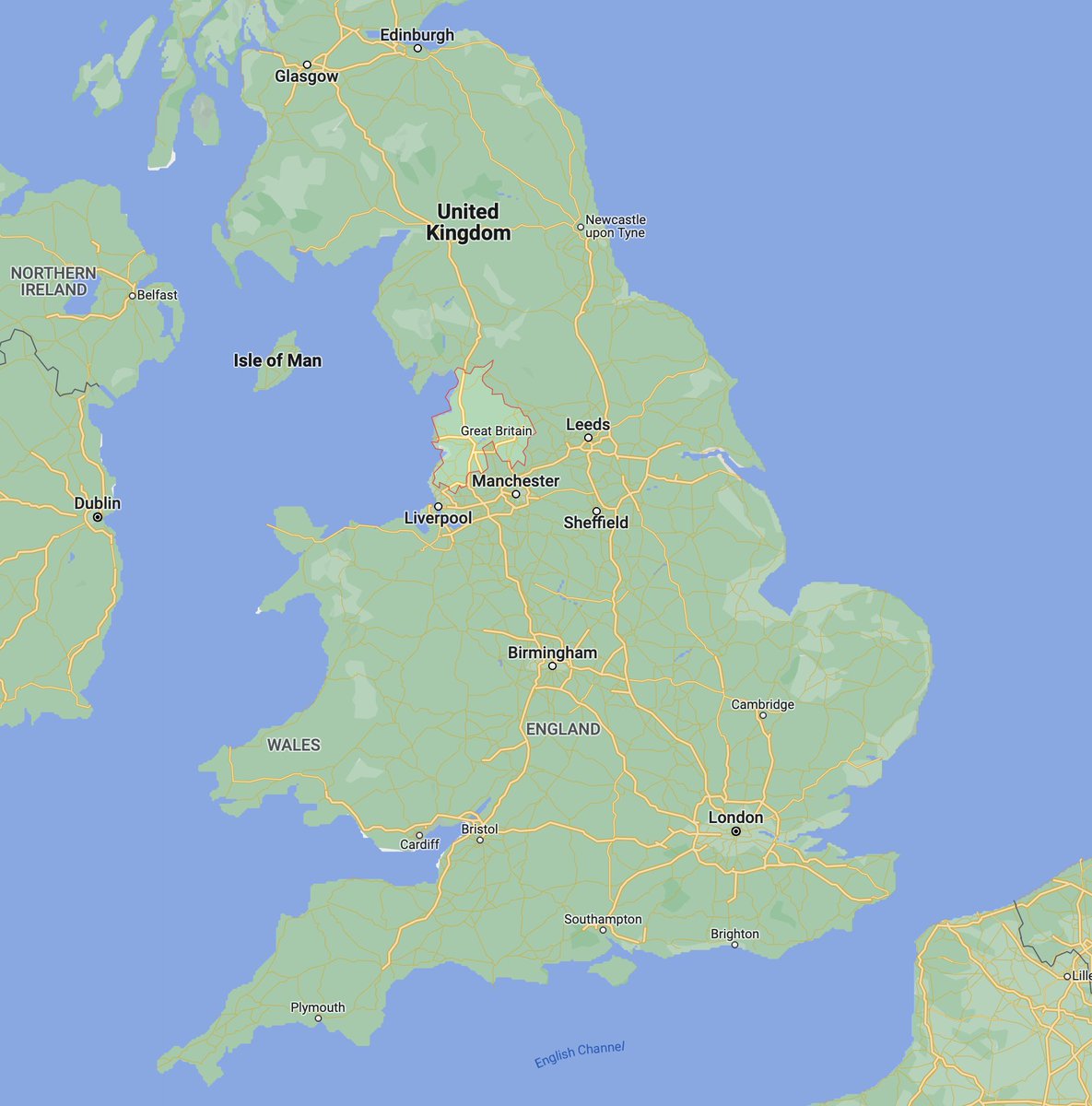
Map showing Lancashire in northwest England (highlighted), home of the cotton oligarchy that made Beatrix Potter's grandparents enormously wealthy Google Maps data © Google -
Her father Rupert Potter could have got by without working, probably, but became a lawyer, and invested some of the money he inherited into the stock market, making them even richer. He married Helen Leech, also very rich, and they settled into a lifestyle of genteel idleness.
-
Unusually for a family of the time we have a huge number of photographs of the Potters, especially Beatrix. Her father was a keen amateur photographer in his copious spare time, and was endlessly making the family sit for photographs of whatever they were doing.
-
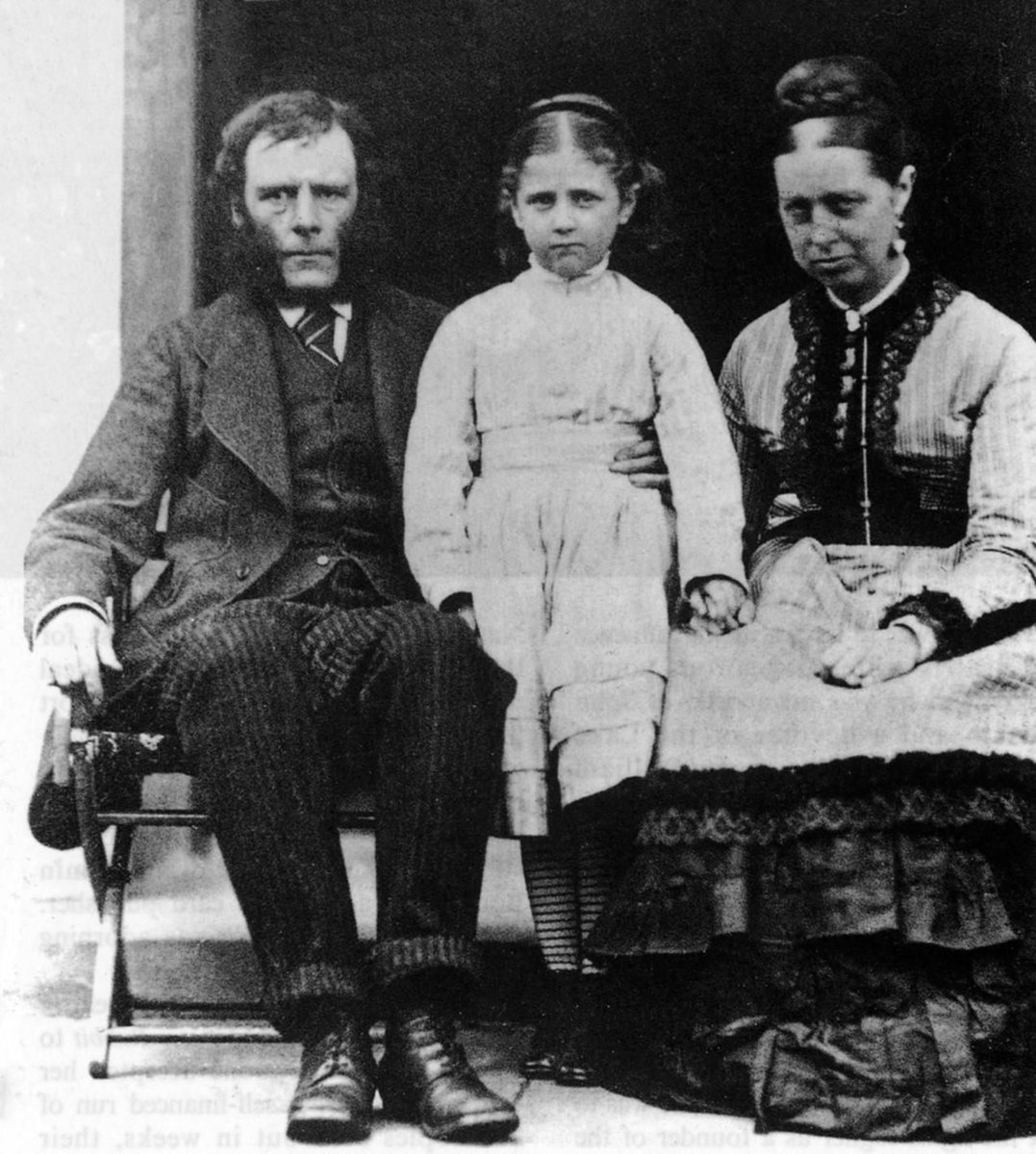
Beatrix Potter with her parents Rupert and Helen Potter, photographed by one of their servants as Rupert was an obsessive amateur photographer Photograph of the Potter family, public domain -
The primary thing the Potters did, apparently, was go on holiday. They were constantly moving their extensive London household of two kids, multiple servants, and a random assortment of pets to various locations for months at a time, renting palatial houses around the country.
-
Beatrix was educated by a series of governesses (also part of the traveling household), and she displayed an early talent for art that her family encouraged by paying for lessons, since art was one of the few pastimes considered respectable for women of her class.
-
Class was a big deal to Beatrix's mother in particular. One generation removed from cotton mills but extremely wealthy, she decided that those "in trade" were beneath her notice, even her direct relatives, and set her sights on marrying Beatrix to a man with a noble title.
-
Beatrix was not averse to marrying but her mother's absurd requirement meant that literally nobody she ever met was considered good enough. She finished her education at age 19, and then had simply nothing to do but tag along after her parents on their endless holidays.
-
Bored out of her mind, she used to go on long walks and pony rides by herself, and got into the habit of drawing the things she saw. Her parents were very strict Unitarians who did not celebrate Christmas, but she would send "new year" cards featuring her drawings to family.
-
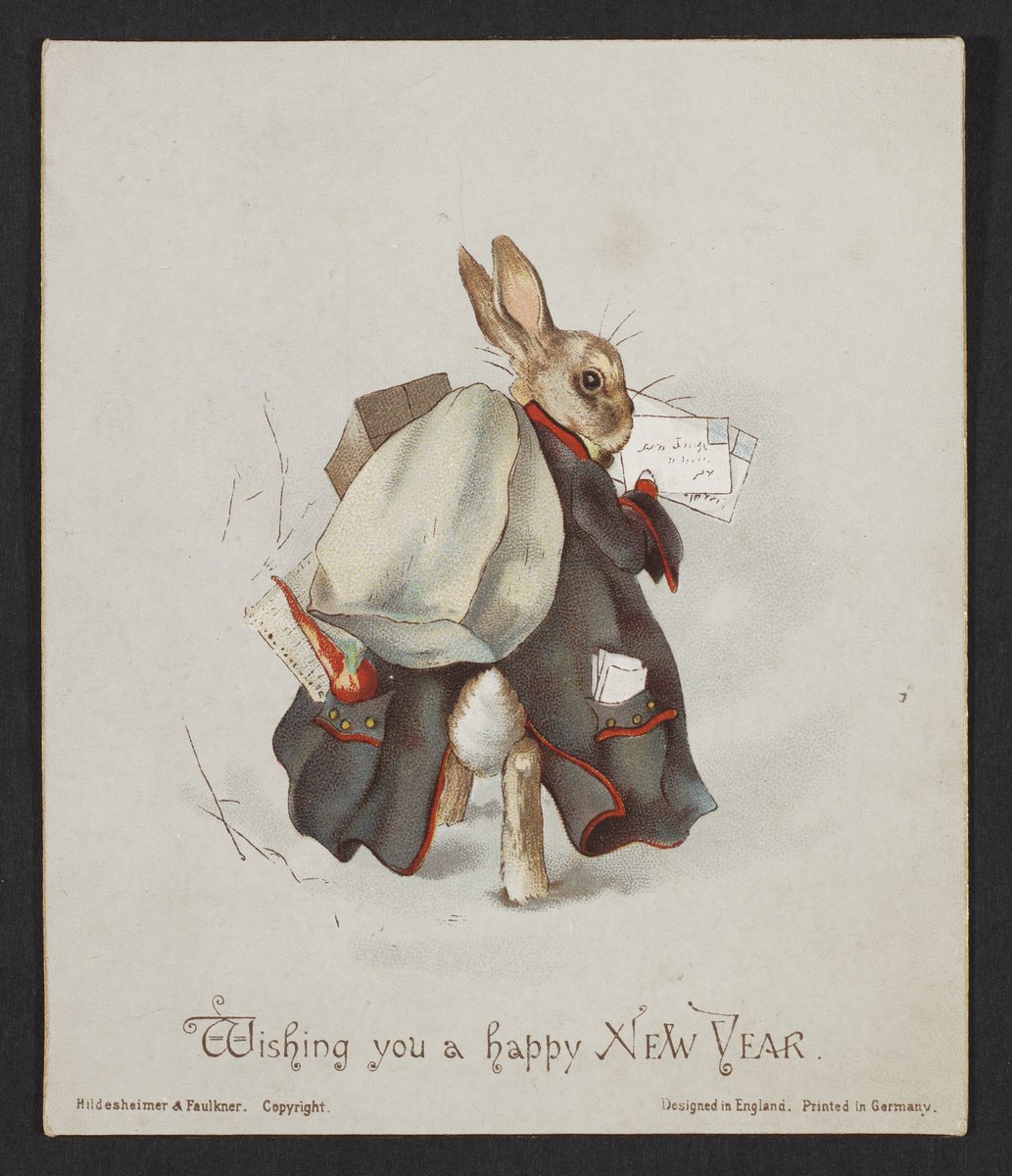
An early Beatrix Potter greeting card illustration — she sent these to family in lieu of Christmas cards, as her strict Unitarian parents did not celebrate Christmas Beatrix Potter, New Year card illustration, public domain -
She and her brother Bertram had a huge number of pets: the usual run of dogs, cats, and birds, but also lizards, bats, snails, mice and, yes, bunny rabbits. Peter Rabbit was a real rabbit, and the reason her illustrations are so lifelike is because she was drawing him from life.
-
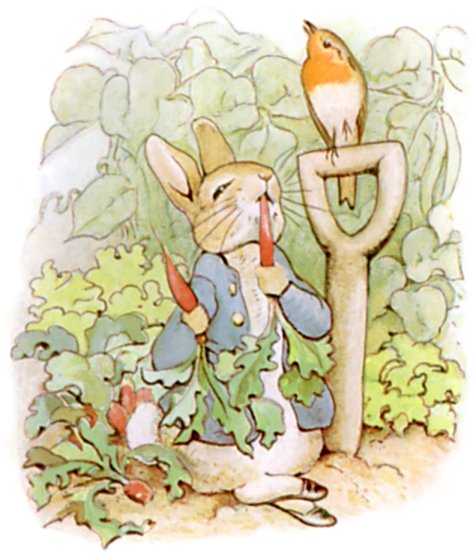
Peter Rabbit in Mr. McGregor's garden — based on Beatrix Potter's real pet rabbit Peter, drawn from life Beatrix Potter, The Tale of Peter Rabbit, public domain -
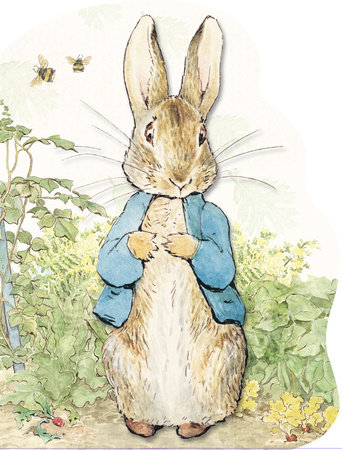
Peter Rabbit eating radishes in Mr. McGregor's garden, an illustration from The Tale of Peter Rabbit by Beatrix Potter Beatrix Potter, The Tale of Peter Rabbit, public domain -
The other thing that she drew was fungi. Consider, for a moment, exactly how bored you would have to be to get really, really good at finding fungi and then painting pictures of them. She was flabbergastingly good at it, because she was as bored as it's possible to be.
-
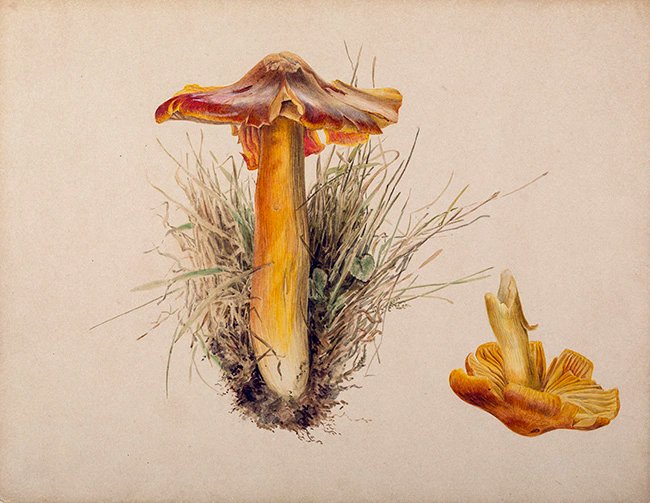
Beatrix Potter's botanical watercolor of a chanterelle mushroom, one of the scientifically accurate fungus illustrations she made out of sheer boredom Beatrix Potter, fungus illustration, public domain -
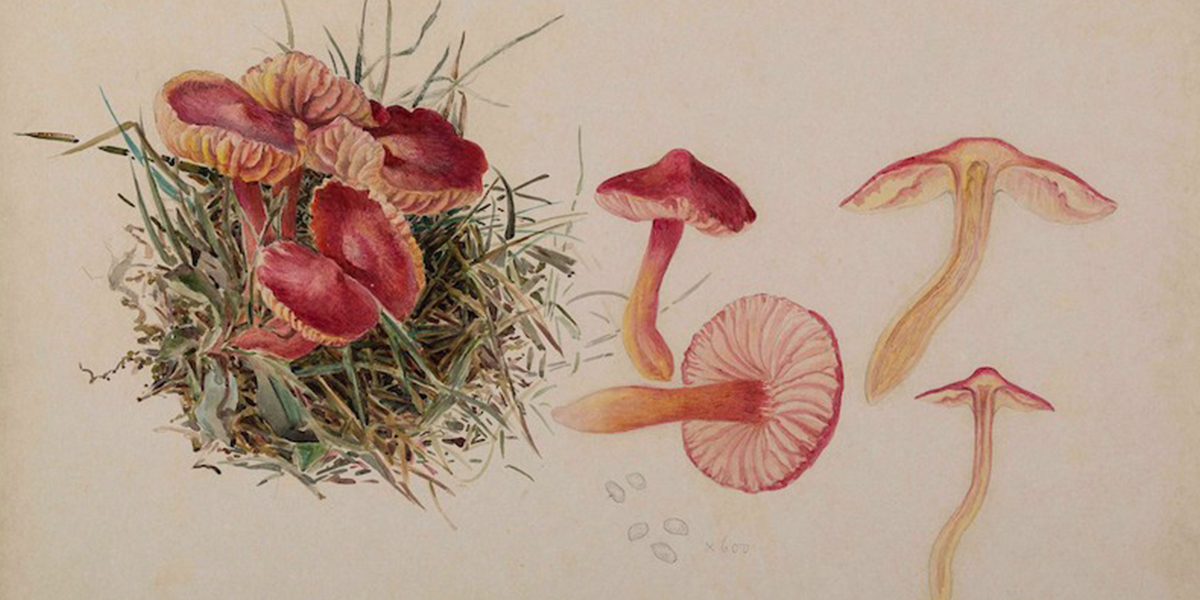
Beatrix Potter's watercolor of red waxcap mushrooms, showing the scientific accuracy that led her to seriously study mycology Beatrix Potter, fungus illustration, public domain -
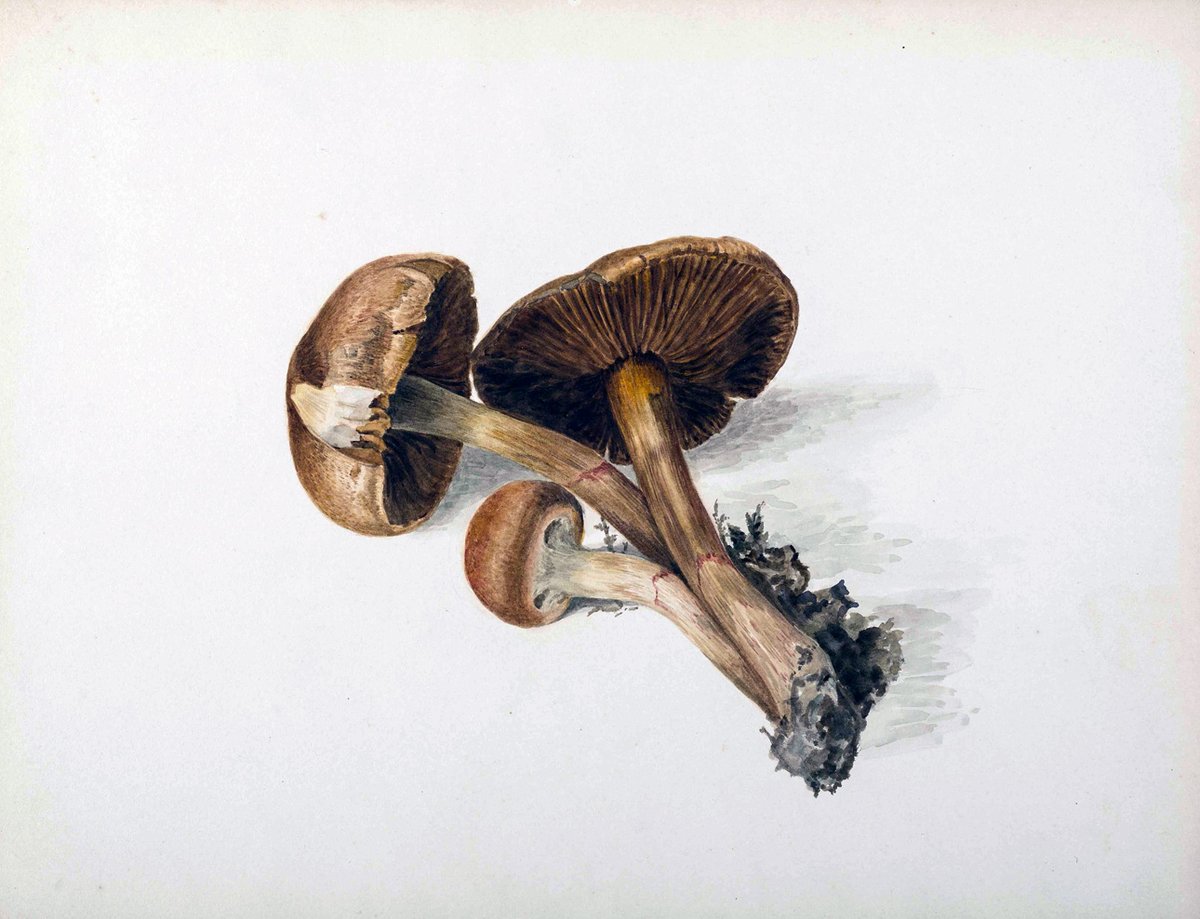
Beatrix Potter's watercolor of brown mushrooms, painted with scientific precision that impressed leading mycologists Beatrix Potter, fungus illustration, public domain -
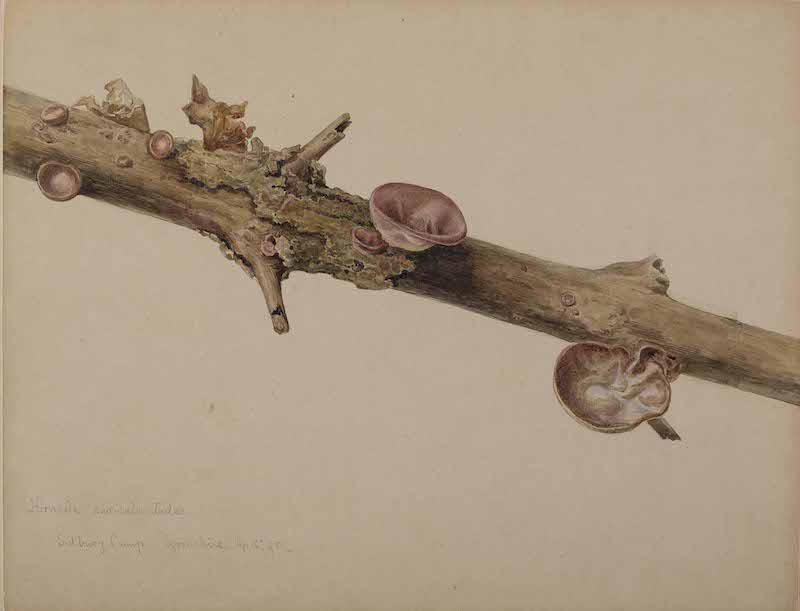
Beatrix Potter's watercolor of cup fungi on a branch, one of her many scientifically accurate fungus illustrations Beatrix Potter, fungus illustration, public domain -
At this age she also wrote about her life, in a series of journals. These were written in a letter-substitution code, to prevent the prying eyes of her mother, so she is unusually honest about her feelings of frustration and boredom with her proscribed life.
-
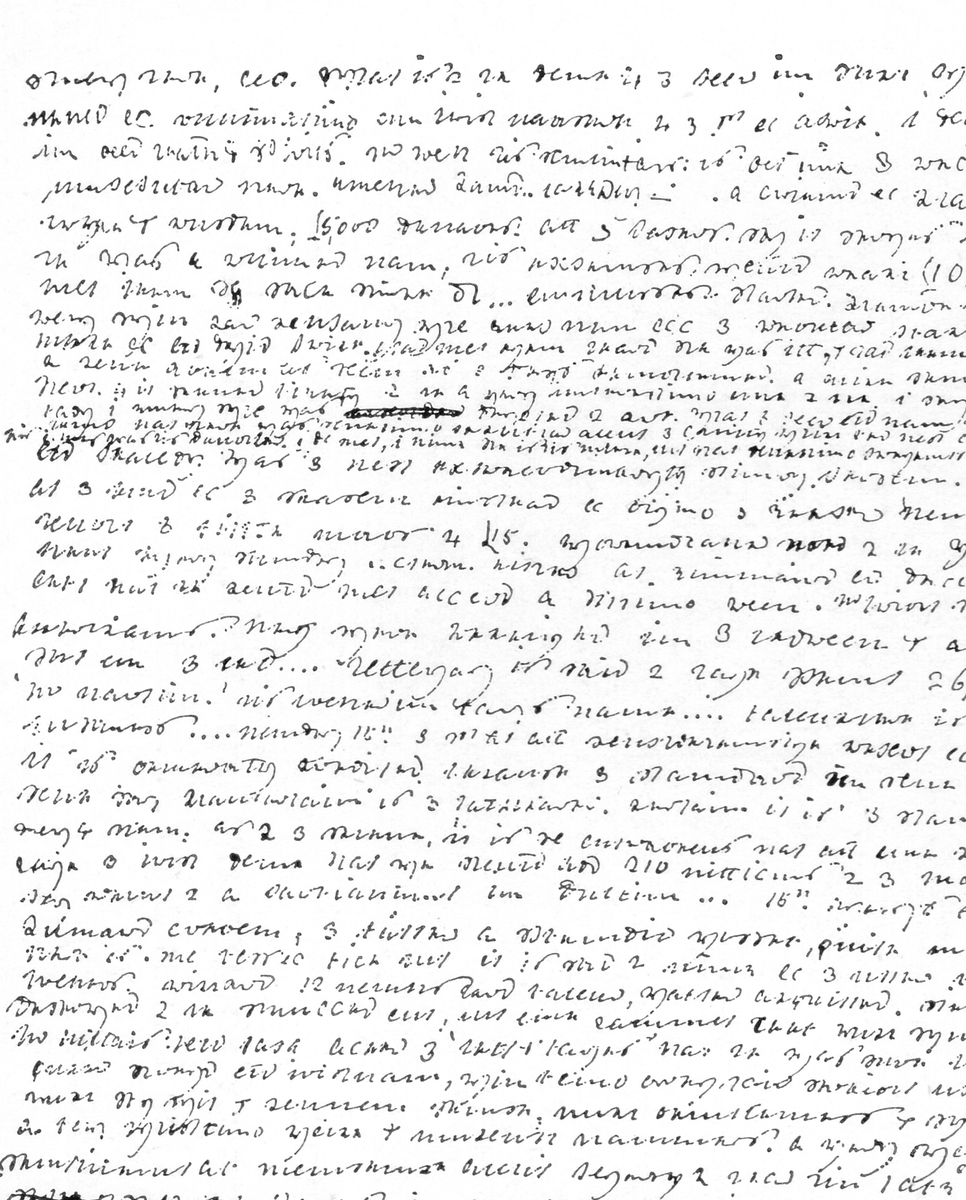
A page from Beatrix Potter's private journal, written in a letter-substitution code to hide her frustrated thoughts from her prying mother Beatrix Potter, private journal, public domain -
Beatrix was aware of her grandparents' entrepreneurial past and considered her art as a possible way to earn some money for herself and gain some desperately-needed independence from her parents. But she wasn't sure exactly what form that would take.
-
She tried selling her animal art to publishers as illustrations for other people's books. She had a little early success but it wasn't much and she was at the whim of whatever the publishers were looking for that week.
-
She also tried her hand at science. Her fungi illustrations, done for fun, were of scientific quality and accuracy and she became interested in the science behind them, correctly theorizing that lichens were a hybrid of a fungus and an algae, and how they propagated.
-
One of her uncles, Henry Roscoe, was a famous scientist; she drew an illustration for one of his books of a scientist mouse figuring out the science behind toasting cheese. Through his connections, she was introduced to the leading scientists of the day studying fungi.
-
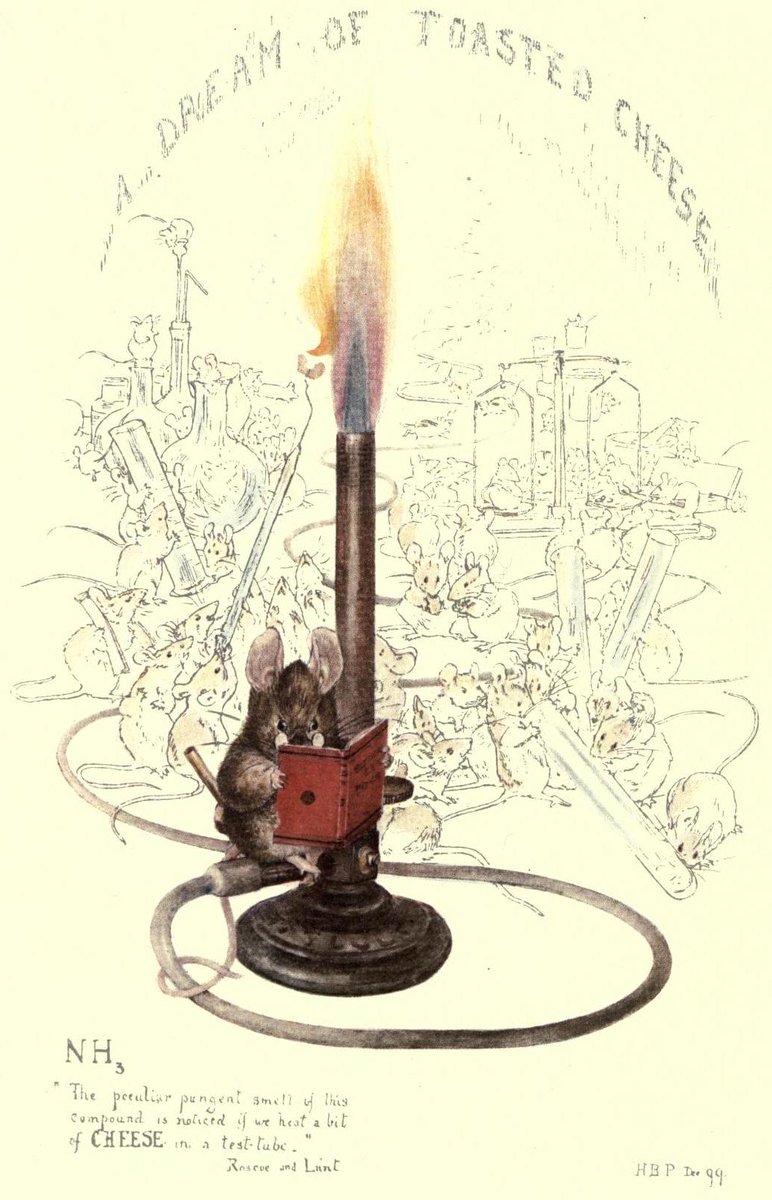
Beatrix Potter's illustration "A Dream of Toasted Cheese", drawn for her uncle Henry Roscoe's chemistry book, featuring a scientist mouse Beatrix Potter, "A Dream of Toasted Cheese", public domain -
But Roscoe's connections hurt as much as they helped. Parachuted right to the top of the profession by her high-handed uncle, Beatrix's ground-breaking work was ignored, partly because of sexism and partly because they had a grudge against Roscoe for previous slights.
-
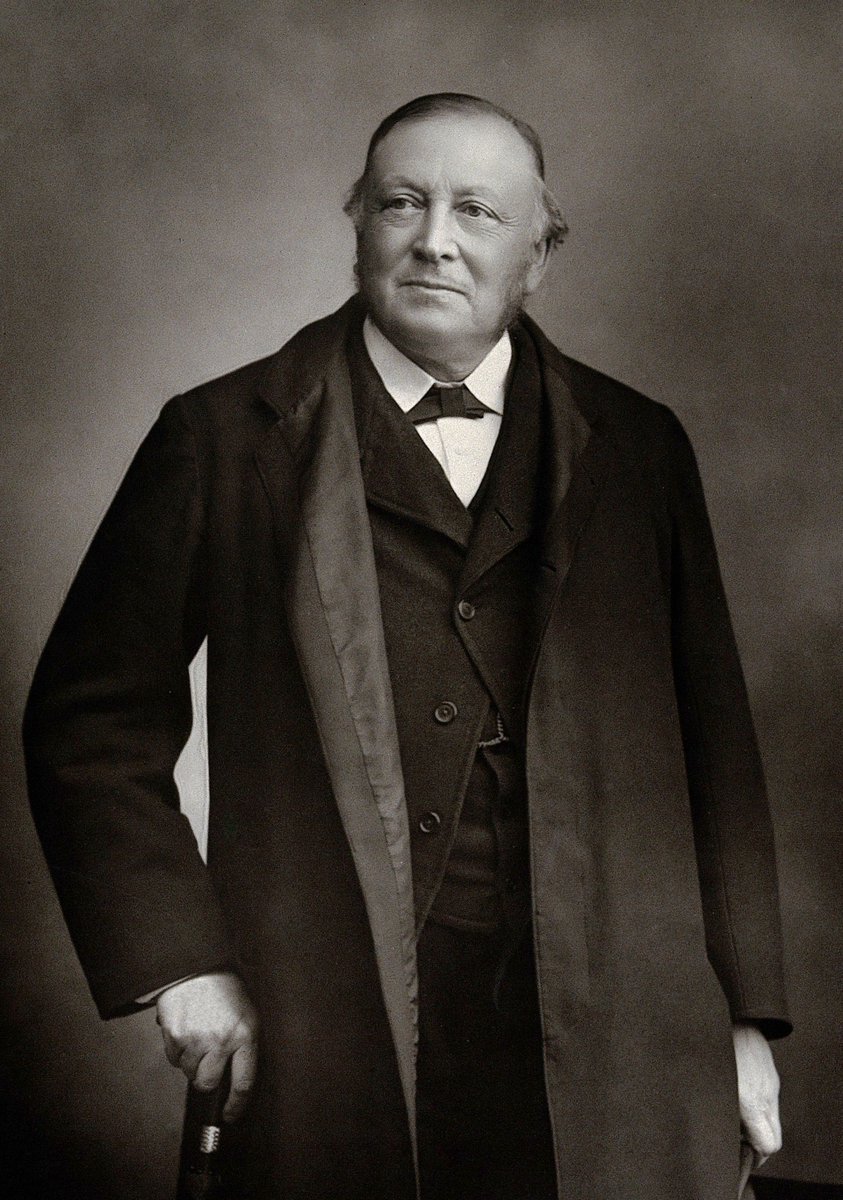
Sir Henry Roscoe, Beatrix Potter's uncle and a famous chemist, whose connections introduced her to leading mycologists but whose high-handedness got her work dismissed Photograph of Henry Roscoe, public domain -
With the door to science effectively closed to her, she accidentally fell into writing. It started when she decided to write a letter to the child of a friend of hers. The child was sick, and so to cheer him up she wrote him a story about her bunny, Peter, and illustrated it.
-
(Imagine, if you will, being a child in the 1890s and receiving letters addressed directly to you, written for only you, containing original stories and illustrations by Beatrix Potter. They kept the letters forever, and no wonder.)
-
She wrote more of these letters and eventually decided to see if she could get the stories published. But while there was an ongoing boom in publishing and particularly in publishing for children, her stories were considered too unusual to sell. So she paid to publish them.
-
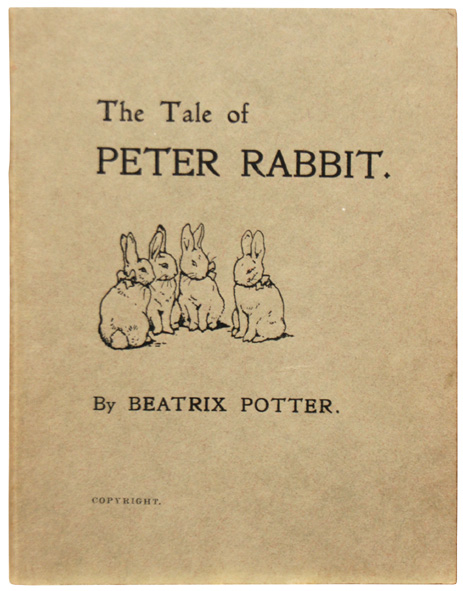
The privately printed edition of The Tale of Peter Rabbit (1901), the 500-copy run that became a runaway hit among family and friends Beatrix Potter, The Tale of Peter Rabbit (1901), public domain -
This initial run of 500 books, distributed initially for free to friends and relatives, was a runaway hit. Soon she was inundated with letters from strangers asking for copies of the "Bunny book". This was enough to finally get the publisher interested for real.
-
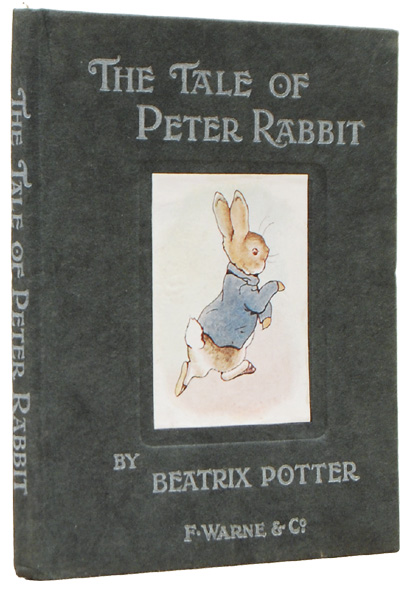
The commercially published edition of The Tale of Peter Rabbit by Frederick Warne & Co. (1902), which became one of the bestselling children's books of all time Beatrix Potter, The Tale of Peter Rabbit (F. Warne & Co., 1902), public domain -
The books were printed cheaply and sold at low prices, at Beatrix's insistence. Firstly, she wanted them to be accessible to as many children as possible. But also, she was a practical woman and did not approve of buying expensive things for children that they would soon destroy.
-
Beatrix was unusually canny in her business dealings. She made sure she owned the copyrights to her books, ensuring future earnings (although she accidentally failed to get them in America), and also creative control. She began to write more books, an average of two per year.
-
The formula for the books was mostly the same: she would observe a pet, such as a duck or a hedgehog or a rabbit, get familiar with its personality, and then draw a series of adventures for it, set in the countrysides she had spent her life visiting and painting.
-
Nearly everything in her books is a picture of something that really existed. The animals are real animals, Mr. McGregor's potting shed was a real shed, the villages are the villages she visited and later the village where she had a farm. They look real because they were.
-
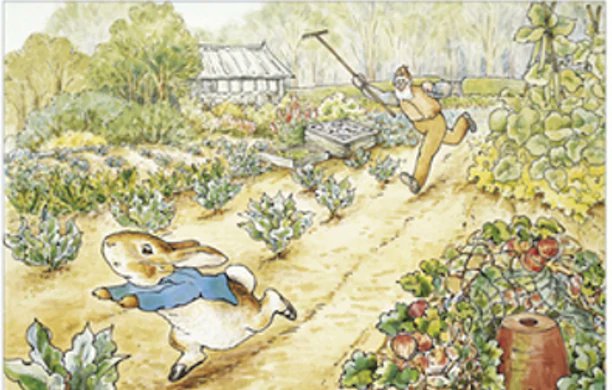
Peter Rabbit being chased by Mr. McGregor — an illustration from The Tale of Peter Rabbit drawn from real locations Beatrix Potter visited Beatrix Potter, The Tale of Peter Rabbit, public domain -
Her books were smash hits. Released every year in time for Christmas, they routinely sold out of multiple printings. She diversified into merchandise: Peter Rabbit stuffed animals, calendars, wallpaper, there was even a board game. Always rich, now it was her own money.
-
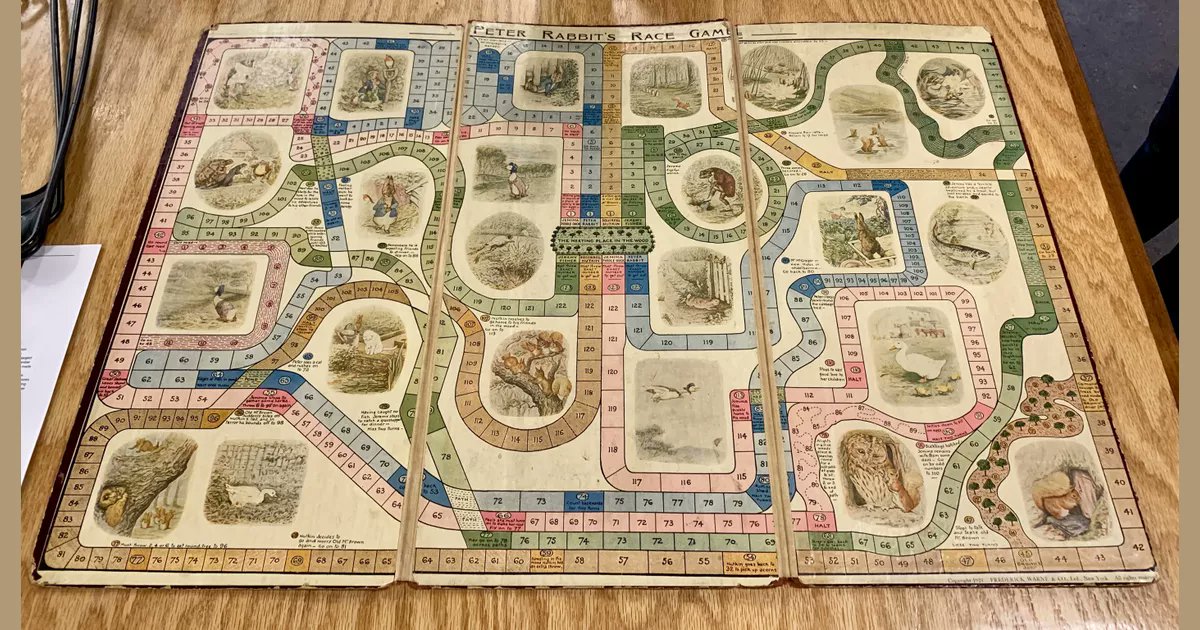
Peter Rabbit's Race Game, one of many pieces of Beatrix Potter merchandise including stuffed animals, wallpaper, and board games based on her books Peter Rabbit's Race Game, public domain -
Through her publisher she met Norman Warne, her editor. He had a lot of ideas for her books, and they corresponded and met frequently. He got deeply involved in the creative process, building special houses for her pets with glass sides so she could draw them better.
-
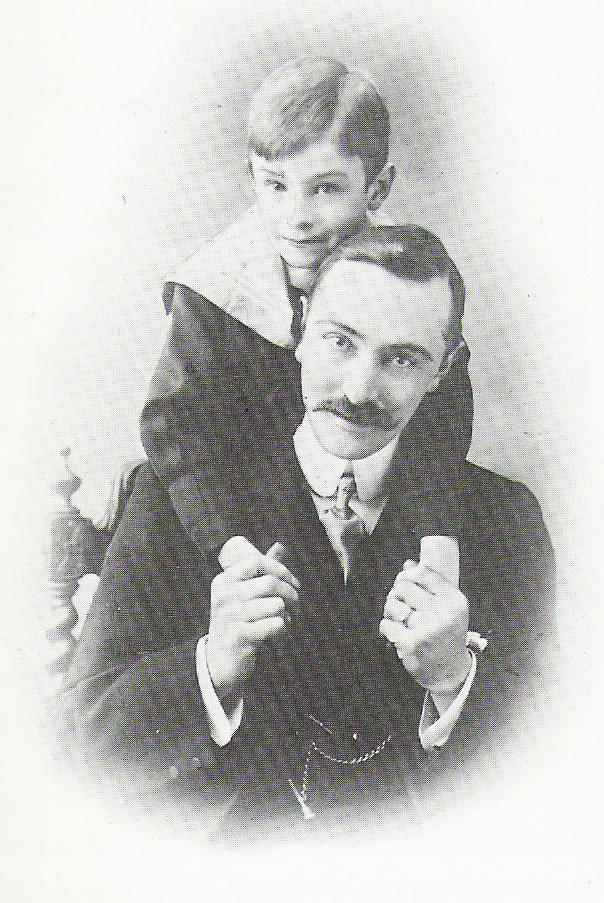
Norman Warne, Beatrix Potter's editor at Frederick Warne & Co., who collaborated deeply on her books and to whom she became briefly engaged before his sudden death Photograph of Norman Warne, public domain -
Through endless correspondence they slowly got to know each other personally as well, and that's another reason Beatrix's books have lasted so long: her books are her love letters, the creative fruit of their courtship, prim and repressed and slow to bloom, but intense.
-
Eventually, Norman proposed marriage. Beatrix's snobbish mother was horrified. He was in *trade*! This was unacceptable. Beatrix was a dutiful and traditional daughter and desperately wanted her mother's approval, and eventually they got her to agree to a secret engagement.
-
But it was not to be. Less than a month after they exchanged rings, before the wedding, Norman was taken ill and died, aged 37, of a blood disease. Heartbroken, Beatrix wore her engagement ring from Norman for the rest of her life, even after she married someone else.
-
Flush with cash and more desperate than ever to get out from under her mother's thumb, Beatrix decided to indulge her love of the British countryside by buying a farm. She justified it as a financial investment, but really it was a physical and emotional escape from her family.
-
The farm, Hill Top, was a success. She poured money and work into it and it prospered. As she acquired more capital from her books, she bought surrounding farms and land, consolidating them into an ever growing little empire of sheep, cattle and more.
-
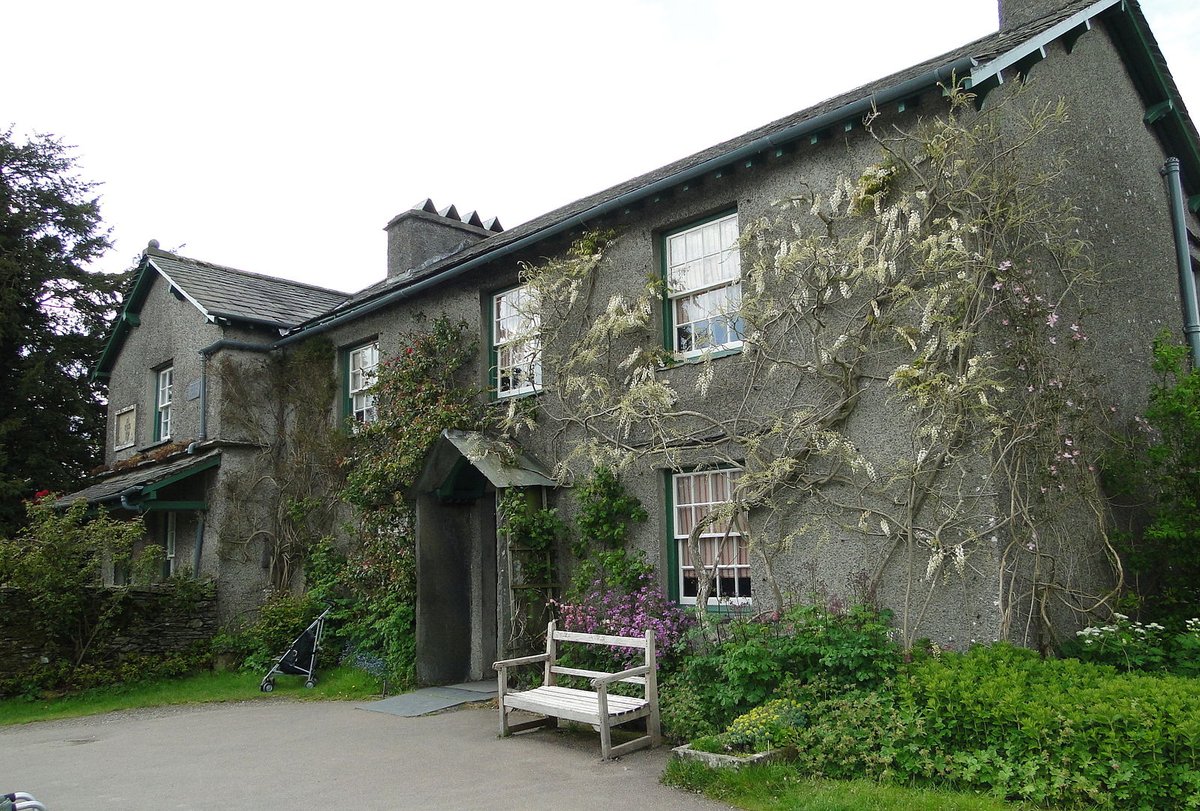
Hill Top Farm in Near Sawrey, the Lake District farm Beatrix Potter bought with her book earnings and which is now a National Trust museum Hill Top Farm, Near Sawrey, by Richerman via Wikimedia Commons (CC BY-SA 3.0) -
Beatrix loved animals but was extremely practical about them. She raised lambs, she drew them gamboling about, and she also slaughtered and sold them. Even as a child, when one of her pet bunnies died, they would boil it, eat it, and then make careful illustrations of the bones.
-
Through her now established routine of buying more and more land around her farm, she made the acquaintance of a local lawyer who specialized in real estate, William Heelis. They grew closer and he eventually proposed marriage and she accepted.
-
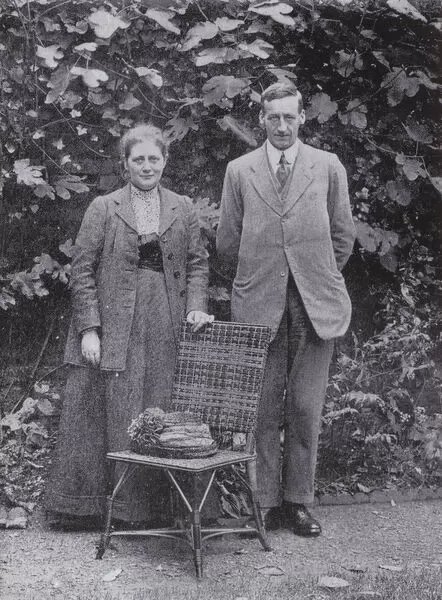
Beatrix Potter with her husband William Heelis, the local lawyer she married in 1913 after her parents finally stopped objecting Photograph of Beatrix Potter and William Heelis, public domain -
Her mother objected again -- a country lawyer! -- but Beatrix had had enough, and the pressure was taken off her somewhat when her brother Bertram revealed to the family that he had secretly got married a full decade earlier to a woman her mother disapproved of even more.
-
This time Beatrix did not wait; she wrote to a friend "I was engaged once before to someone who died, which is one reason I wish to get it over, I don't seem to believe in it". Her marriage to William was a low-key affair, and they moved in together immediately to her farm.
-
Beatrix was at heart a very traditional woman. Despite her fame as Beatrix Potter, on marriage she immediately became Mrs. Heelis, and referred to herself that way ever after. It was not the kind of intense love she'd had for Warne, but it was a strong partnership.
-
A surprising thing is that after Beatrix got married at age 46 she almost stopped writing books. Her eyesight was deteriorating but also she was simply much too busy running a large and ever expanding estate, efficiently aided by her lawyer husband, who also did the accounts.
-
She lived more than 30 more years and had almost a second life. She won prizes for her sheep, she became active in politics, especially as it concerned land conservation. She became an enthusiastic supporter of the girl guides, letting them camp on her farm every year.
-
She lived right up until World War 2, and was not a fan of Hitler, so I am able to report to you that there is at least one much-loved woman author of a series of books for children who is *not* a fascist, and you can buy her merchandise without guilt.
-
Beatrix was in very ill health for her last few years, and was as forthright and practical about her own death as of those of her farm animals. Faced with surgery to stop vaginal bleeding, she wrote a friend "anything in the womb is apt to be the beginning of the end".
-
She died aged 77, and her devoted husband William survived her by only 18 months. Together they left her farm and more than 4,300 acres of land to the UK's National Trust, forming the core of what would later become the Lake District National Park.
-

The Lake District in northern England, the landscape Beatrix Potter loved and helped preserve — her gift of 4,300 acres became the core of the Lake District National Park Langdale Pikes at sunset, Lake District, by Christopher Hilton via Wikimedia Commons (CC BY-SA 2.0) -
Beatrix's legacy is twofold: her books have reached generations of children, and her conservation work created an enormous, permanent legacy of land. She pushed past the suffocating restrictions of 19th century womanhood and forged her own path, bunnies, fungus and all.
-
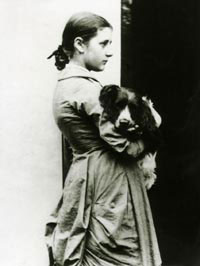
Photograph of Beatrix Potter as a young woman with her dog, taken by her father Rupert Potter Photograph of Beatrix Potter, public domain -
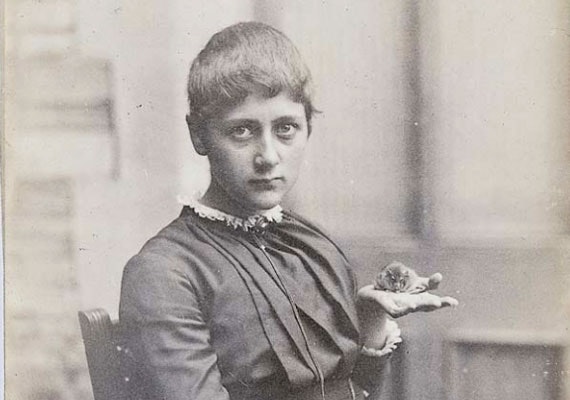
Photograph of Beatrix Potter as a child holding one of her many beloved pets Photograph of Beatrix Potter, public domain
- Previously: Pyotr Ilyich Tchaikovsky
- Next: Marie Curie
- Full list
Text and images copyright © 2020-2023 Laurie Voss
except where indicated
except where indicated