Churchill
-
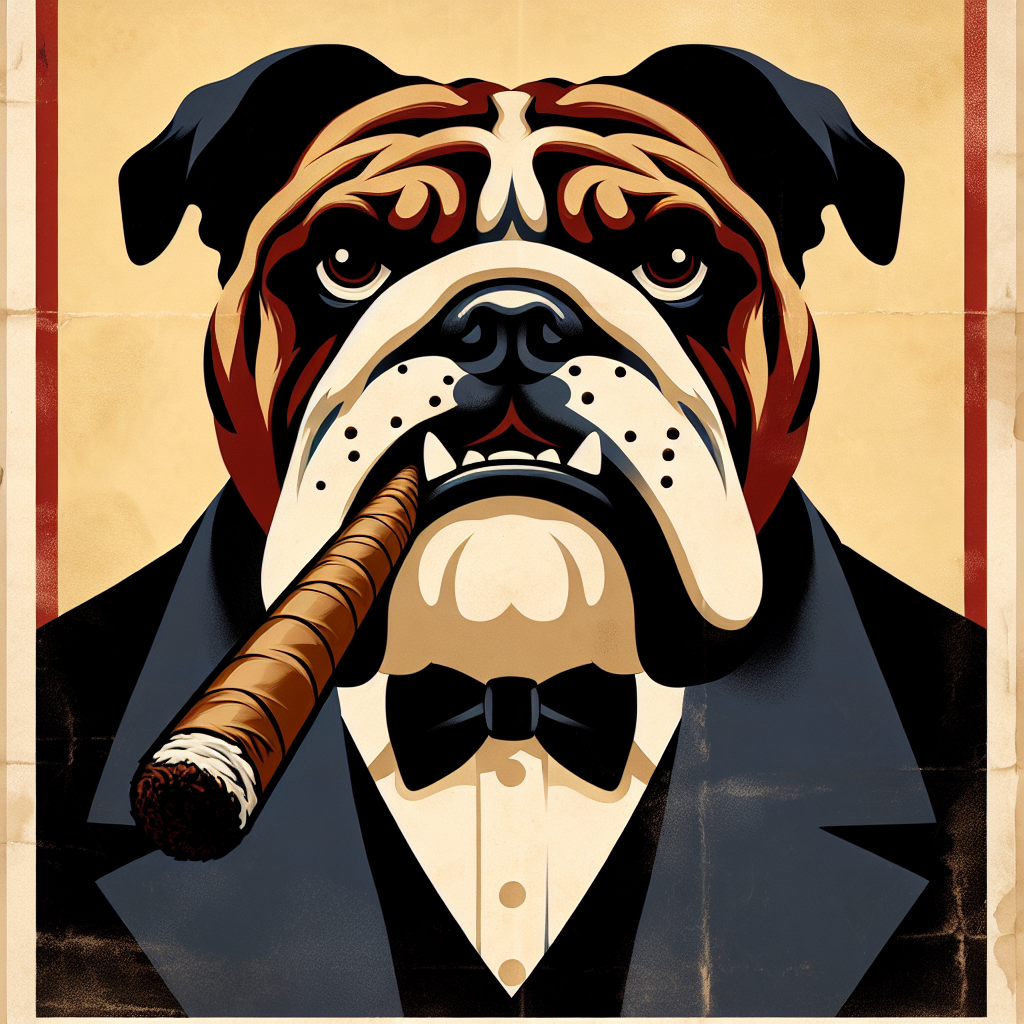
Today is #EuropeanBios #81, and it's Winston Leonard Spencer-Churchill, born 1874, Prime Minister of the UK from 1940-1945 and then a second time from 1951-1955. He was without question key to allied victory in World War 2 and also equally without question a racist bastard.
-
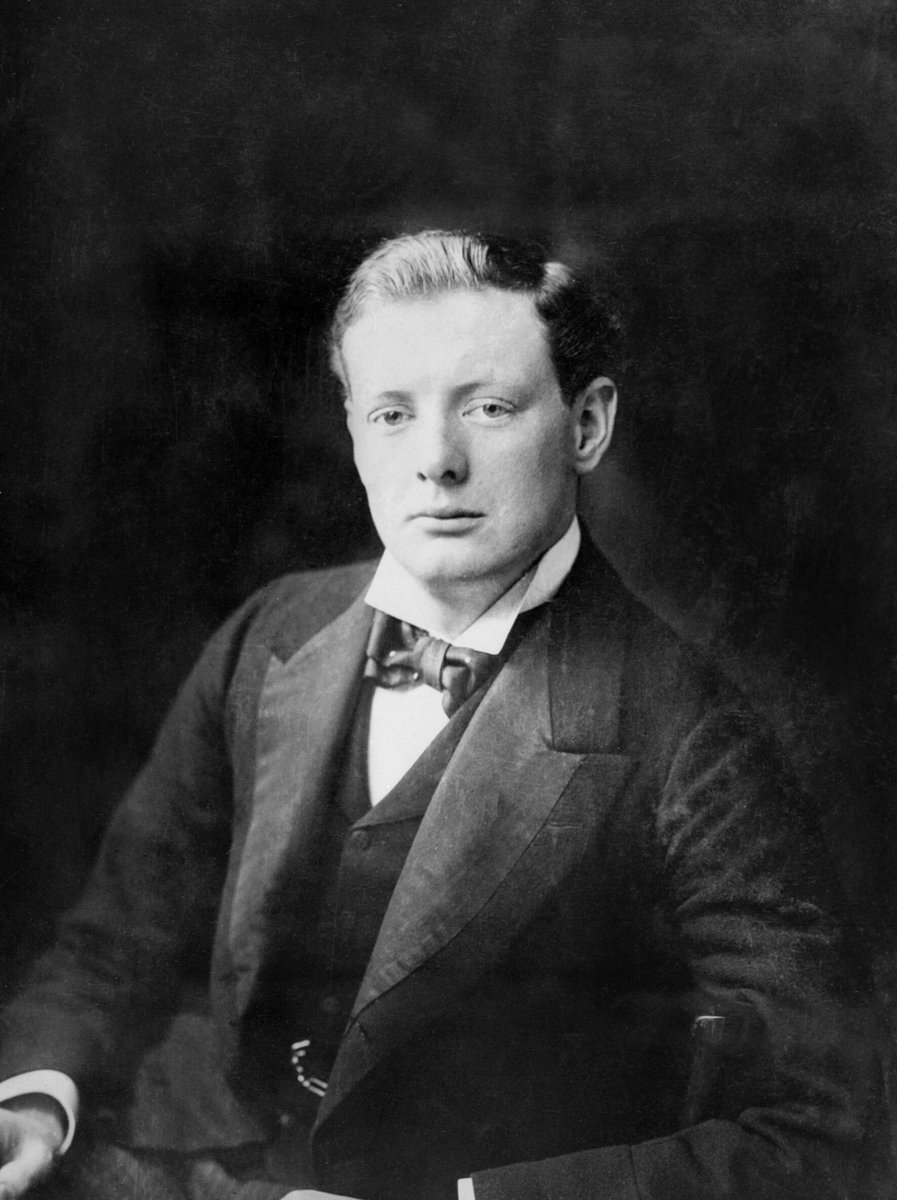
Young Winston Churchill, c. 1900, public domain public domain -
People have kept asking so: yes, I will be compiling #EuropeanBios into a book, definitely ebook but maybe physical book too. If you'd like to hear about that process and provide feedback on preview chapters, you can do so by Super Following me if that feature is enabled for you.
-
Winston was posh. *Extremely* aristocratic, extremely old money. How old? We've run into one his ancestors before: the Duchess of Marlborough, reluctant consort to the extremely lesbian Queen Anne, was his great-great-great-great-great grandmother:
-
Winston himself would not become a Duke of Marlborough because his father was not the eldest child; instead his uncle's family inherited the title. This was pivotal, because if he'd been a duke he'd have been in the house of lords, not an MP, and history would be quite different.
-
(You can technically be Prime Minister if you are a lord, because the UK constitution is whatever they decide it is, but by the 1900s this was frowned upon and so Churchill as a Duke would almost certainly not have become PM)
-
His mother was an American socialite and a famous beauty. In his life Winston would repeatedly reference his American heritage, especially when he was trying to suck up to the Americans to get them to pitch in during World War 2, which was most of the time.
-
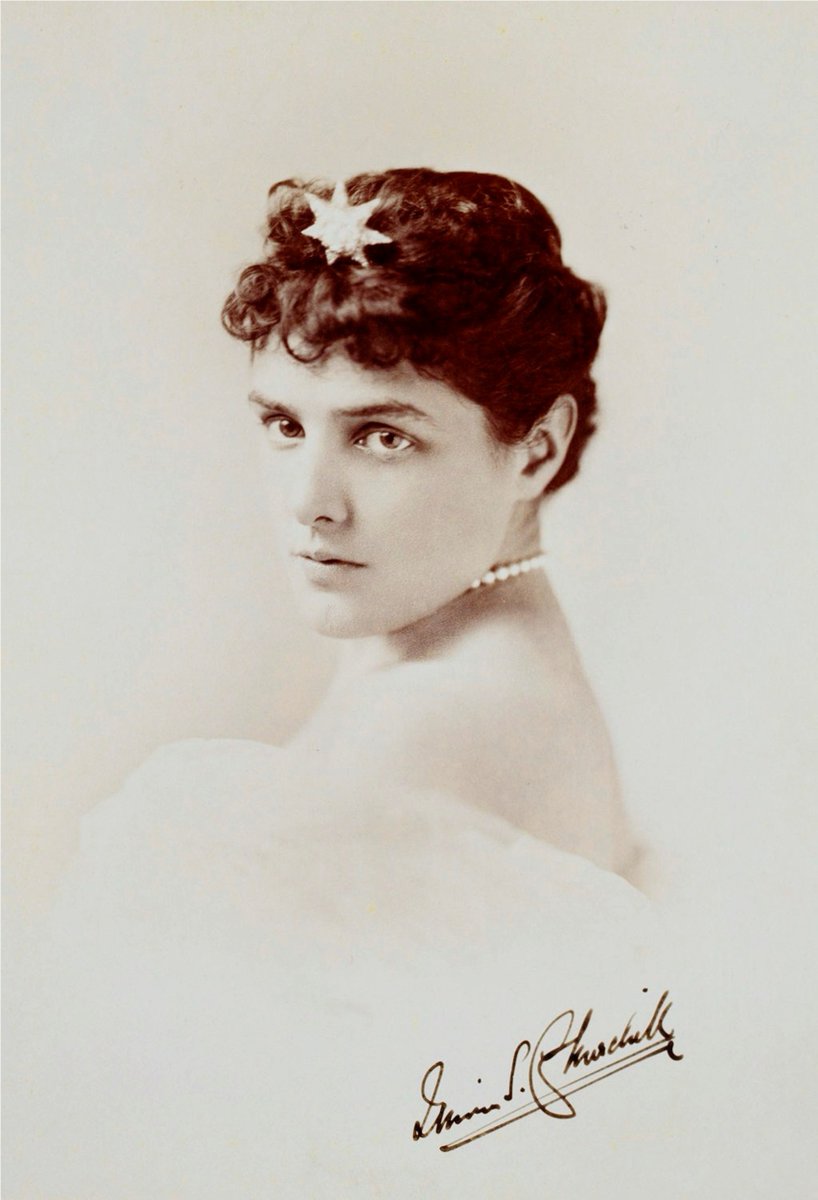
Jennie Jerome Churchill (Lady Randolph Churchill), Winston's mother, c. 1880s, public domain public domain -
His parents had an extremely British aristocratic approach to parenting, meaning they fobbed him off to a series of nannies and mostly ignored him. We know from her diaries that one year his mother saw her children only 7 times in the whole year; this was not considered unusual.
-
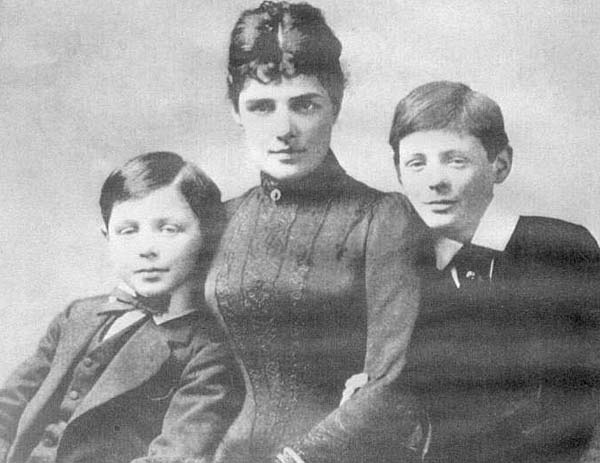
Jennie Jerome Churchill with sons Winston (right) and John (left), c. 1880s, public domain public domain -
Winston's father Randolph was briefly a powerful figure in the Conservative party of the UK whose career was cut short by ill-advisedly threatening to resign over a budget squabble; instead of backing down, his resignation was accepted and his political career was over.
-
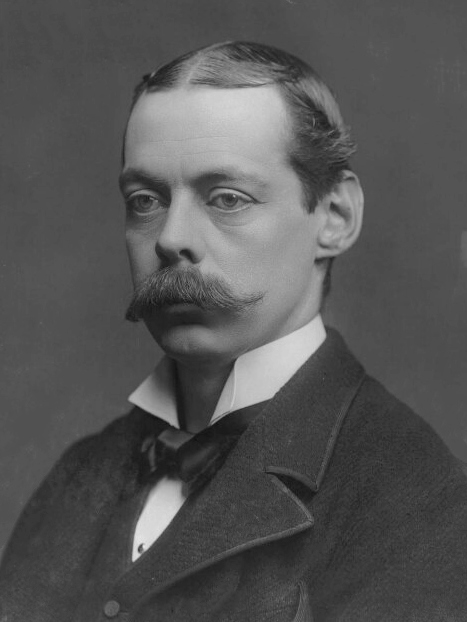
Lord Randolph Churchill, Winston's father, c. 1880s, public domain public domain -
Randolph was even less of a loving parent to Winston than his mother; to the extent he communicated at all it was to scold Winston for his "idle useless unprofitable life". In one year, Winston sent his parents 76 letters from school and they replied only six times.
-
This kind of treatment from parents tends to result in either hatred or desperate attempts to win favor, and in Churchill it was the latter. His entire life is easily modeled as a sad, futile attempt to prove his worth to his parents and especially his father.
-
This would never happen, since Winston's father died in 1895 when he was 46 and Winston only 21. Lots of members of Winston's family died relatively young, and Winston expected he would do the same, further powering his ambition to make a name for himself as quickly as possible.
-
Despite the near total lack of parental affection in his childhood, Winston had the supreme, iron-hard, irrational self confidence of an aristocrat: he believed he was born to be great, like generations of his family before him, and could not be persuaded otherwise.
-
Winston's ambition was enormous and also amazingly, terrifyingly specific. In 1891, when he was still only 16, he told a friend what he would do with his life: London would be under attack, and he would save it.
-
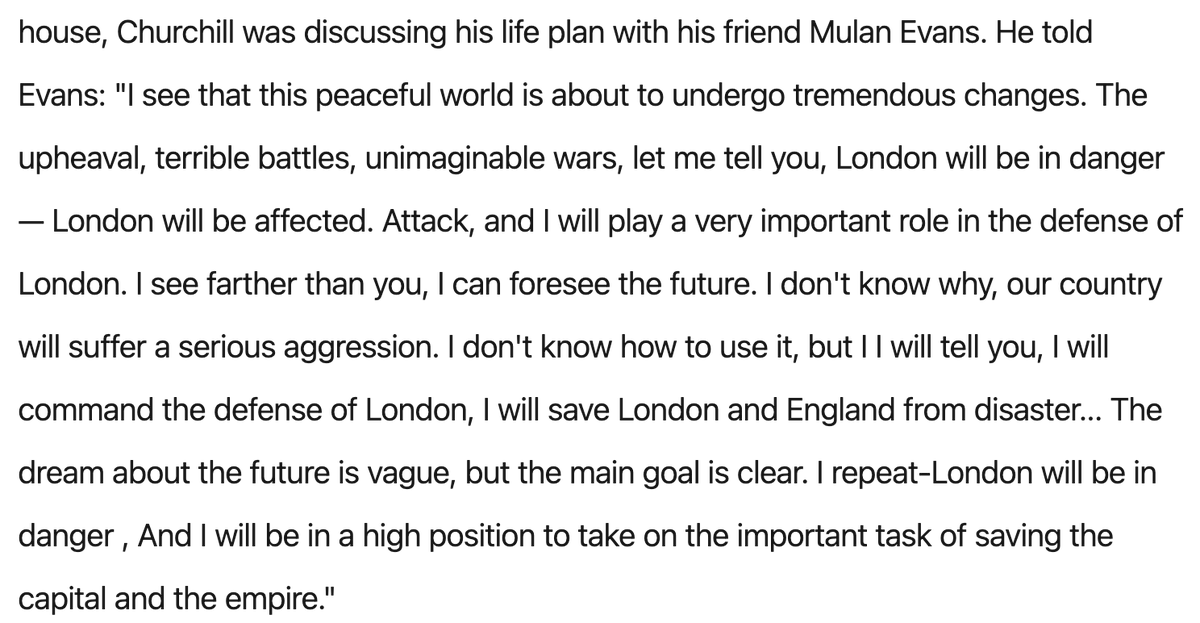
Churchill's prophecy to friend Mulan Evans that he would save London and England quoted text -
He was an English aristocrat all the way to the bone. He worshipped the king (and later, the queen). He adored the concept of the British Empire, he thought it was the best thing in the whole world. He once summoned his secretary to fetch his valet to swat a fly.
-
And like most aristocrats, he was racist. Just blow-your-face-off racist, no doubts, no ambiguity whatsoever. I could do a whole thread that was just shockingly racist things said by Winston Churchill. He thought English people were the best, and everybody else barely human.
-
When I say English: I mean English. Over and over again in speeches, even as PM, he would refer to "England" and not "the UK" or even "Britain", and this is because he considered the Scots a different (and slightly inferior) race, conquered by the English, and said so repeatedly.
-
So you can imagine how racist he was to everybody else. He believed it was the duty of the English "to rule these primitive but agreeable races". Indians, Africans, Arabs, the Japanese, there is no group of people he did not make horrifyingly, grossly racist statements about.
-
There is a tendency by Churchill fans and colonial apologists to say that Churchill was just a man of his time and taken out of context but this is just not true. Even his contemporaries thought he was racist, and there's just no context where this statement isn't racist.
-
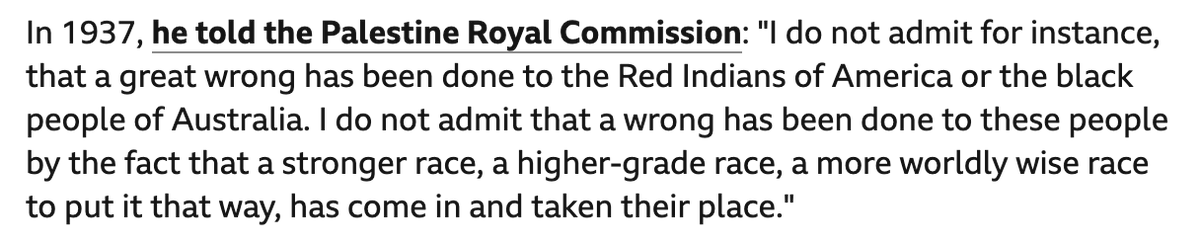
Churchill's testimony to the Palestine Royal Commission, 1937, on indigenous peoples quoted text -
Just for the total avoidance of doubt: "Keep England white" was, he told cabinet in 1955, a good slogan. This was in response to questions about what to do about immigration to the UK from former colonies in the West Indies. There's just no room for ambiguity there.
-
So there's absolutely no question he was racist, even by the standards of racism at the time, and the time was fuckin' World War 2. He was only marginally less racist than the other guy and the other guy was *literally Hitler*. But was he guilty of genocide? Let's get to that.
-
First we have to get from his childhood to becoming prime minister, but it's mostly dull so we'll be quick. He went to school at Harrow, a deeply traditional school for children of aristocracy, where he made connections he would use for the rest of his life.
-
It's often said he was a poor student, but this isn't quite right: he was very good at schoolwork. In particular he had an amazing memory for names, dates, and poetry. But he was a bad *student*, in that he was constantly breaking school rules, believing they didn't apply to him.
-
He wanted to get into politics, and recognized that military success was the way to do that, so he went to the Royal Military Academy, Sandhurst (it took him 3 tries, earning his father's scorn). Upon graduation he joined the army in 1895, just a month after his father's death.
-
Using aristocratic connections, he got himself assigned to war zones. His unbreakable self-confidence and unquenchable thirst for fame meant that running into danger didn't seem to worry him nearly as much as getting stuck somewhere boring where he wouldn't attract attention.
-
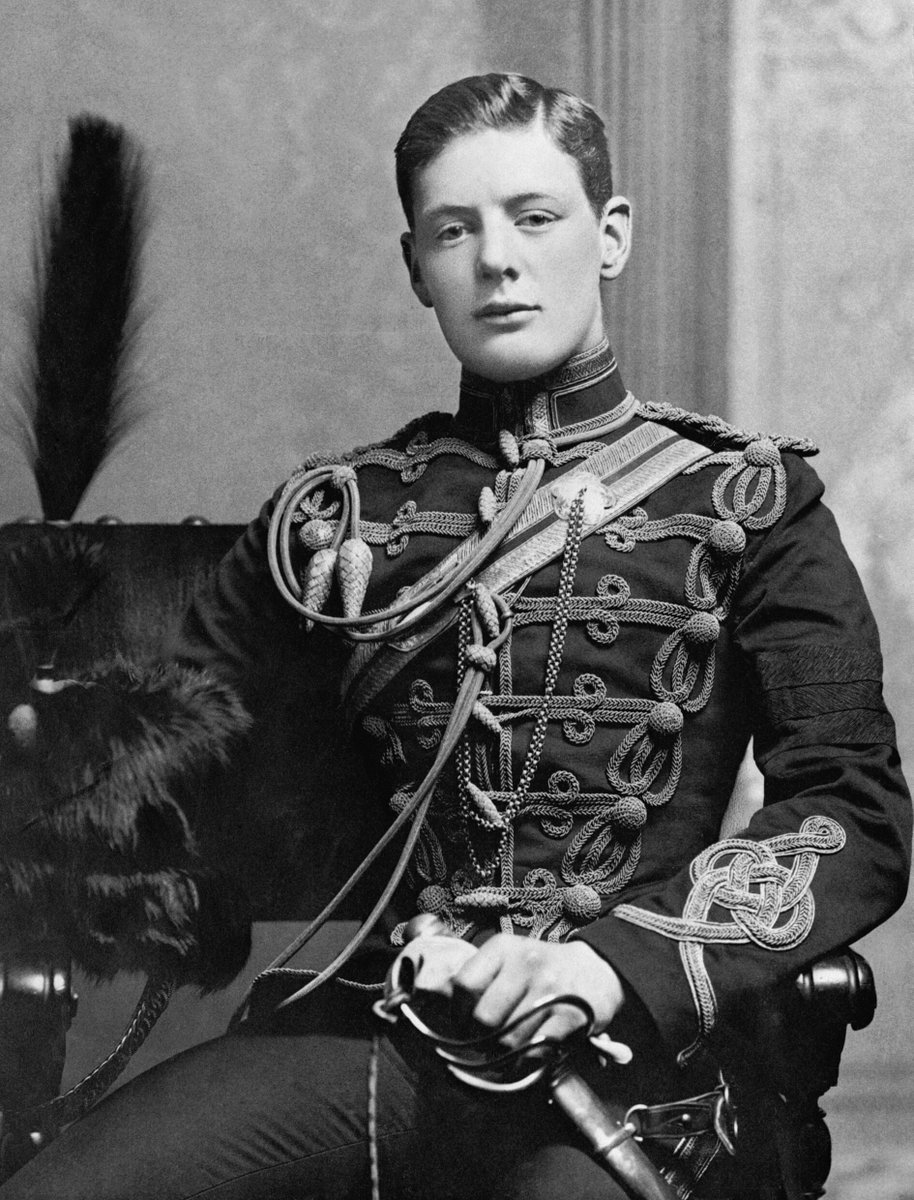
Winston Churchill in his 4th Queen's Own Hussars uniform, c. 1895, public domain public domain -
He did a lot of fighting; horrible, up-close battles in Cuba, India, Sudan and South Africa, where he was captured. There he made a daring and successful escape from prison, nearly discovered because he'd made an early-morning appointment for a barber to shave him 🙄
-
He was undeniably brave in his military career but *unnecessarily* so. He took risks he didn't need to. He donated his own skin for a skin graft to a fellow soldier, removed without anesthetic. His fellow officers constantly remarked on his naked desire to become famous.
-
His military career also kicked off his writing career: he covered the battles he took part in as a sort of hybrid soldier-journalist. He was a very good and entertaining writer, and he had no qualms about embellishing his own role and heroism in his reports.
-
So it was more his writing that made him famous than his actions per se. His journalism contracts, skillfully negotiated by his mother, also made him quite a lot of money. By 1901, aged 27, he was already what (adjusting for inflation) would these days be a millionaire.
-
His excellent writing also contributed to being an excellent public speaker, a skill he consciously practiced from a very early age, writing his own rules of rhetoric, copying phrases and speaking styles of people he admired, and endlessly practicing each speech beforehand.
-
While all over the world fighting he also read widely and paid close, obsessive attention to politics, reading the official Register of parliamentary debates from decades previously and writing his own mock speeches of what he would have said if he'd been in parliament then.
-
After Winston's military service, he came home and was elected to parliament, funded and endorsed by his father's old political buddies. When world war 1 broke out, he went back to being a soldier and fought on the front lines, once again taking unnecessarily heroic risks.
-
The Gallipoli campaign was a disaster of over-confidence and incompetence: convinced that the Turks were racially inferior soldiers, Churchill pushed for an invasion that was poorly coordinated and resulted in more than a hundred thousand dead and wounded.
-
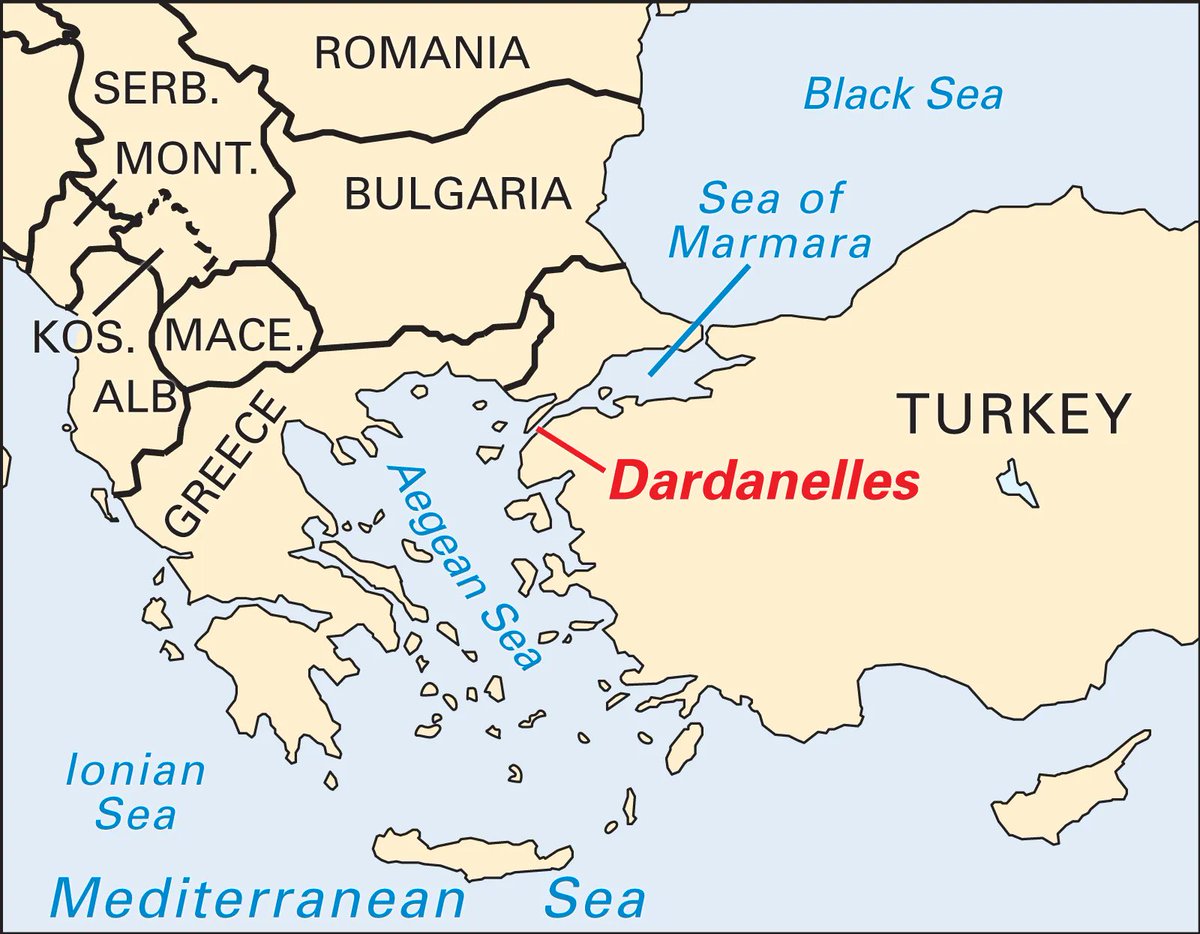
Map of the Dardanelles strait between the Aegean Sea and Sea of Marmara Map of the Dardanelles via Wikimedia Commons (public domain) -
Churchill was not solely to blame for the disaster -- a lot of people could have stopped the campaign and did not -- but he was certainly a big part of it and "what about the Dardanelles?" was a rallying cry among his opponents of his war strategy for the rest of his life.
-
He was in and out of politics, rising and falling with the fate of the conservative party, for the next 20 years. He got a lot of experience running different branches of government. He did a lot of writing, made a lot of money, and made a lot of speeches, getting more famous.
-
All of this combined to create the uniqueness of Churchill: unshakeable self confidence, happy to embellish or ignore the facts, steeped in the traditions of decades in parliament, convinced that rules didn't apply to him, a poetic writer, a popular, electrifying public speaker.
-
And a zealot. He was not a traditionally religious person; instead that role in his life was filled by the veneration of the British Empire. He believed in it as a force for good in the world, a "civilizing" force driven, as far as he was concerned, by racial superiority.
-
There is not a lot of call for people like that. In peacetime a politician who exaggerates how well things are going and refuses to change course generally gets kicked out pretty quickly, as indeed happened when he became a peacetime Prime Minister. But world war 2 happened.
-
We do not have time for a full rundown on origins and circumstances of World War 2 but the important thing, from the perspective of Churchill's life, was that it created the perfect set of circumstances for somebody with his exact set of traits to flourish.
-
Unshakeable self-confidence, regardless of the facts? Extremely useful for the first 2 years of the war, when Britain had no idea how they could possibly beat Germany. Giving stirring, totally unjustified speeches about inevitable victory was about all anybody could have done.
-
A willingness to bend the truth? Perfect in wartime. Churchill lied about how tanks they'd destroyed, how many u-boats they'd sunk, how few casualties there had been, how many there had been on the other side. Nobody called him on it; it would have been unpatriotic.
-
And of course: racial zealotry. Hitler was a fanatic, impervious to facts, heedless of treaties, impossible to negotiate with. But here's the thing: so was Churchill. Both of them would do anything to win, convinced of their inherent superiority. Churchill was just on our side.
-
At this point I imagine the Churchill apologists are revving up. How dare you compare the two! Hitler was a madman! A fascist! He killed millions for explicitly racist reasons! He was a monster! Which brings us neatly to the question: did Churchill also commit racial genocide?
-
I'm not talking about war crimes in general, though there were a great deal of those. All wars are crimes. The allies resorted to civilian bombings by the end of WW2, killing hundreds of thousands in Germany even before killing 300,000+ in Tokyo, Hiroshima and Nagasaki.
-
But possibly Churchill's greatest crime was against his own people: in 1943, at the peak of the war, natural disasters and bad weather resulted in food shortages, ending in a famine in Bengal, India, that killed between 2.1 and 3.8 million people.
-
The food shortages are of course not Churchill's fault, but the response was. Due to wartime shipping shortages, he could not continue to supply military supplies to the front lines at the same time as shipping emergency food to Bengal. He prioritized the war, and millions died.
-
I do not want to hear any nonsense that this was not a racially motivated decision. Churchill made clear, over and over and over, that he considered the Indian people to be sub-human. If he'd let 2 million people in England starve to death he would not have any defenders.
-
But genocide is, by definition, a crime of intention: you have to *intend* to wipe out a particular group of people with your actions. Is "deciding a large group aren't important enough to save" and "actively killing that group" morally equivalent?
-
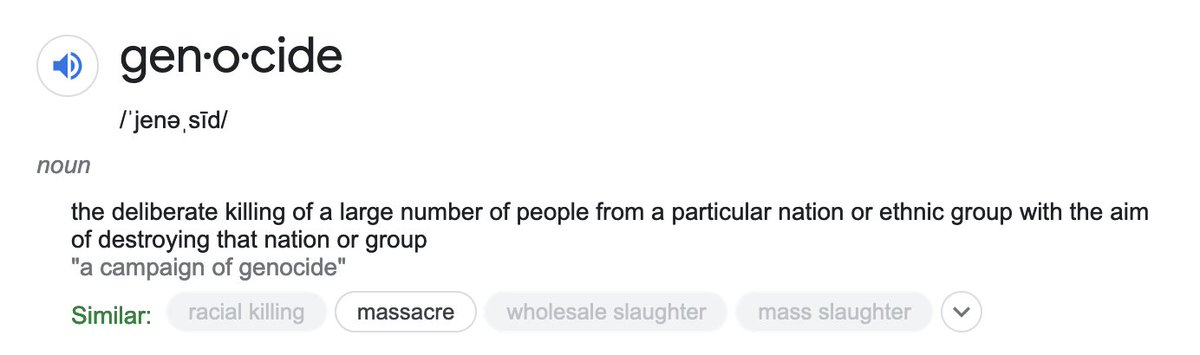
Dictionary definition of "genocide" © Google -
My position is: if you've got so far that you are peering closely at the definition of genocide to argue whether or not millions of people dying counts, the argument is already lost. Maybe we don't have a word for Churchill's particular act, but it was a racially motivated crime.
-
Do not, I cannot stress this enough, @ me about this. I'm not a professional historian, I am not a politician in charge of anything, I'm just a dude who reads a lot of history and I'm saying that Churchill got so close to genocide that it doesn't matter. Go write your own thread.
-
The argument against the Bengal famine being genocide is that it could have meant extending the war. And that would be a persuasive argument if we didn't have a specific example of a time when England extended a world war specifically to prevent a bunch of white people starving.
-
But we do. In 1914 the nation of Belgium was starving and the allies and Germany agreed to let the Commission for Relief in Belgium deliver nearly 700 million pounds of flour to save them. Only a few people argued against it -- and one was Churchill.
-
So the case is strong that race is what made the difference in Bengal, and the person who made the decision to let them die was Churchill. The only counter-argument is: maybe he was a complete monster who would have let Belgians die in 1914, too? Feel free to make that case.
-
In 1941 the Americans entered World War 2 in earnest after the Japanese attacked Pearl Harbor, and once the immense resources of the North American continent were entirely focused on war the tide turned and Hitler was defeated. Churchill toured Hitler's bunker personally.
-
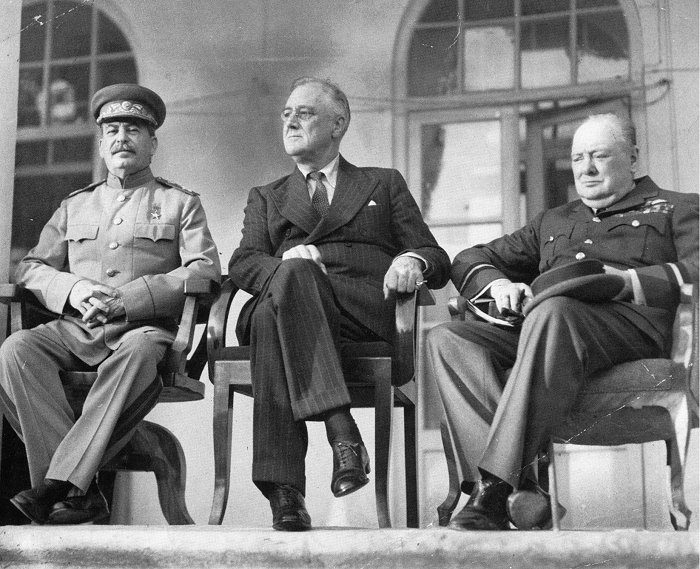
Stalin, Roosevelt, and Churchill at the Tehran Conference, 1943, public domain public domain -
At the end of world war 2 Churchill was immediately kicked out of office by an electorate who were absolutely exhausted and wanted no more sacrifice and honor. They wanted food and houses, and they wanted a socialist government to do it.
-
That seems terribly ungrateful but again: Churchill was a really unusual politician. If you needed a stubborn asshole to keep saying heroic things in the face of insurmountable odds despite clearly losing, he was your guy. In any other situation, he was just a stubborn asshole.
-
He got a chance to prove this in 1951 when the conservatives won a majority despite losing the popular vote, putting him back in power. He was capable but openly bored by the everyday challenges of building houses, ending rationing, and repairing a still shattered nation.
-
Still, he left office reluctantly in 1955. Domestic problems weren't interesting but he believed he -- and only he -- could negotiate and end to the emerging cold war with Russia. This was just his usual over-confidence, back to its usual role as a liability.
-
He had 10 years of retirement. He'd picked up painting earlier in life and got really quite good at it by the end. He had a slow mental and physical decline, punctuated by a series of strokes, and was given an enormous funeral upon his death in 1965.
-
It's tempting to say Churchill's legacy is complicated, but it isn't really. The times were awful, we were up against a bastard, and we found an even bigger bastard who managed to keep everybody fighting long enough for America to get its shit together and win the war.
-
In war, decisions always lead to deaths. But Churchill, given ample opportunity, made clear that racial animus was a deep and intrinsic part of his personality, and demonstrated it by killing millions of Indians rather than extend the war. It's unforgivable, and can't be ignored.
-
Churchill's speeches were amazing. His courage was extraordinary. His determination was awe-inspiring. He was key to winning of world war 2. He was also a self-serving aggrandizer and big fan of racism, especially in its physical manifestations as colonialism and empire.
-
One thing that I've learned from reading hundreds of historical biographies is that people who get huge things done are nearly always assholes, and whether we regard them as villains or heroes depends on who wrote the history books. Churchill was an asshole.
-
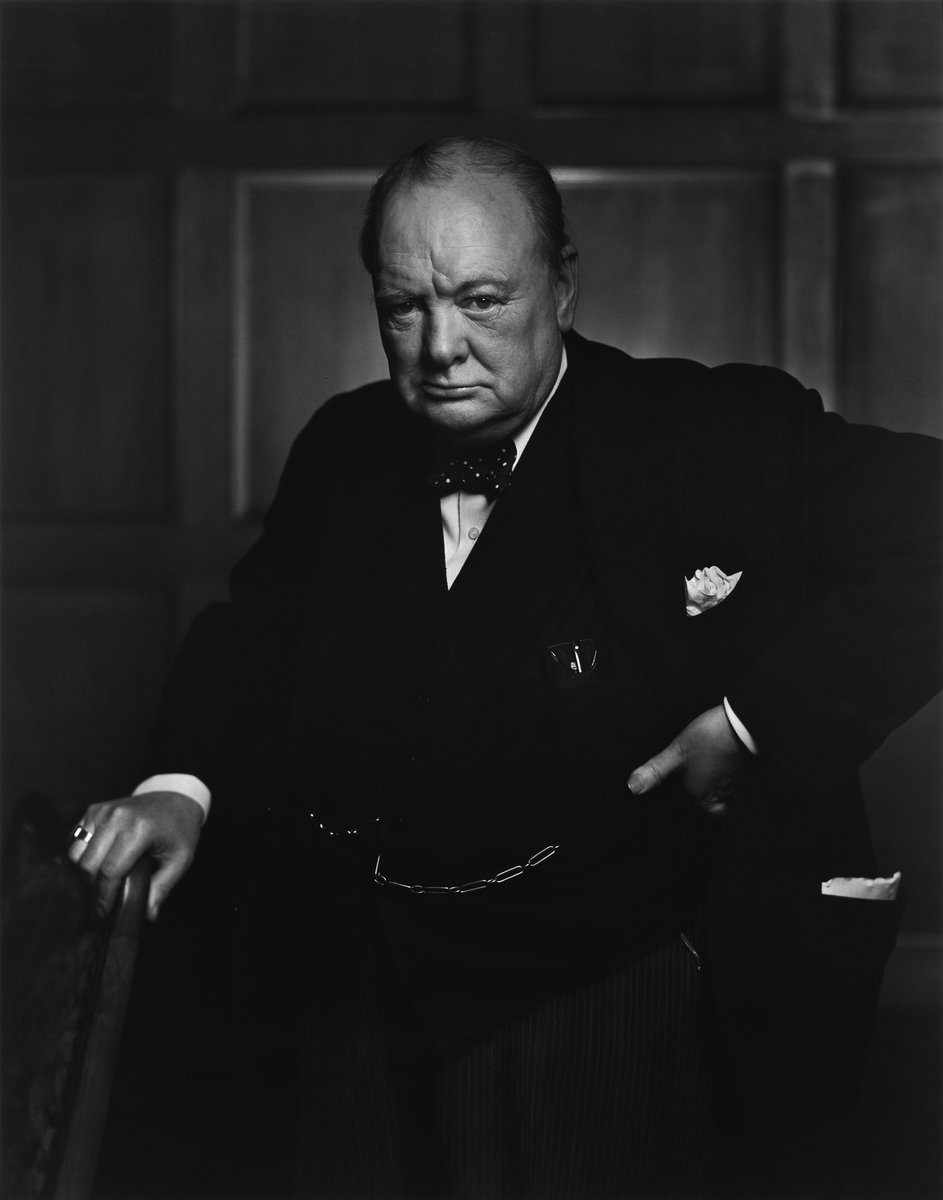
Winston Churchill, the "Roaring Lion" portrait by Yousuf Karsh, 1941 © Yousuf Karsh / Camera Press
- Previously: Lenin
- Next: Lise Meitner
- Full list
Text and images copyright © 2020-2023 Laurie Voss
except where indicated
except where indicated