Frederick the Great
-
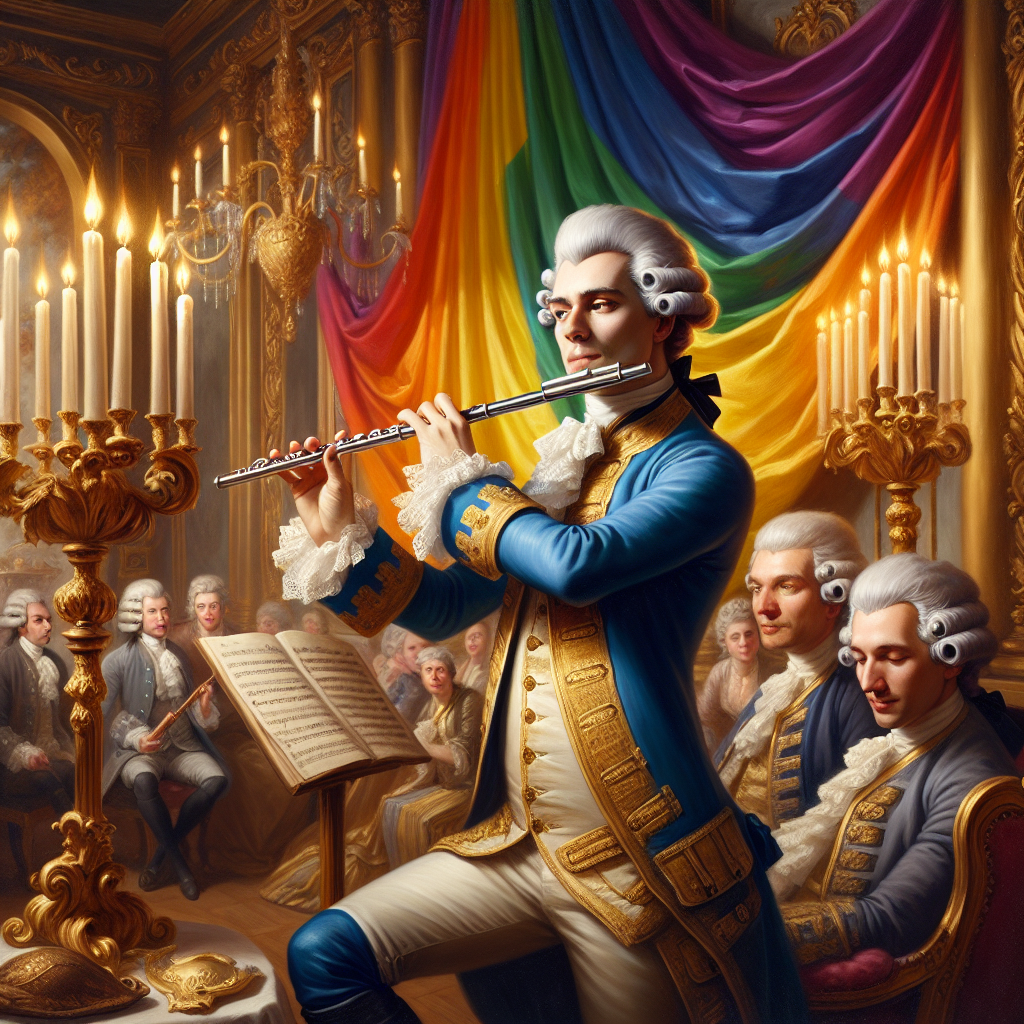
Entry #60 in project #EuropeanBios is Frederick the Great of Prussia and it was a real chore. Fritz was as gay as the day is long but to get any confirmation of this I had to read three different biographies of the man. But get them I did, so here's an extremely gay German king.
-
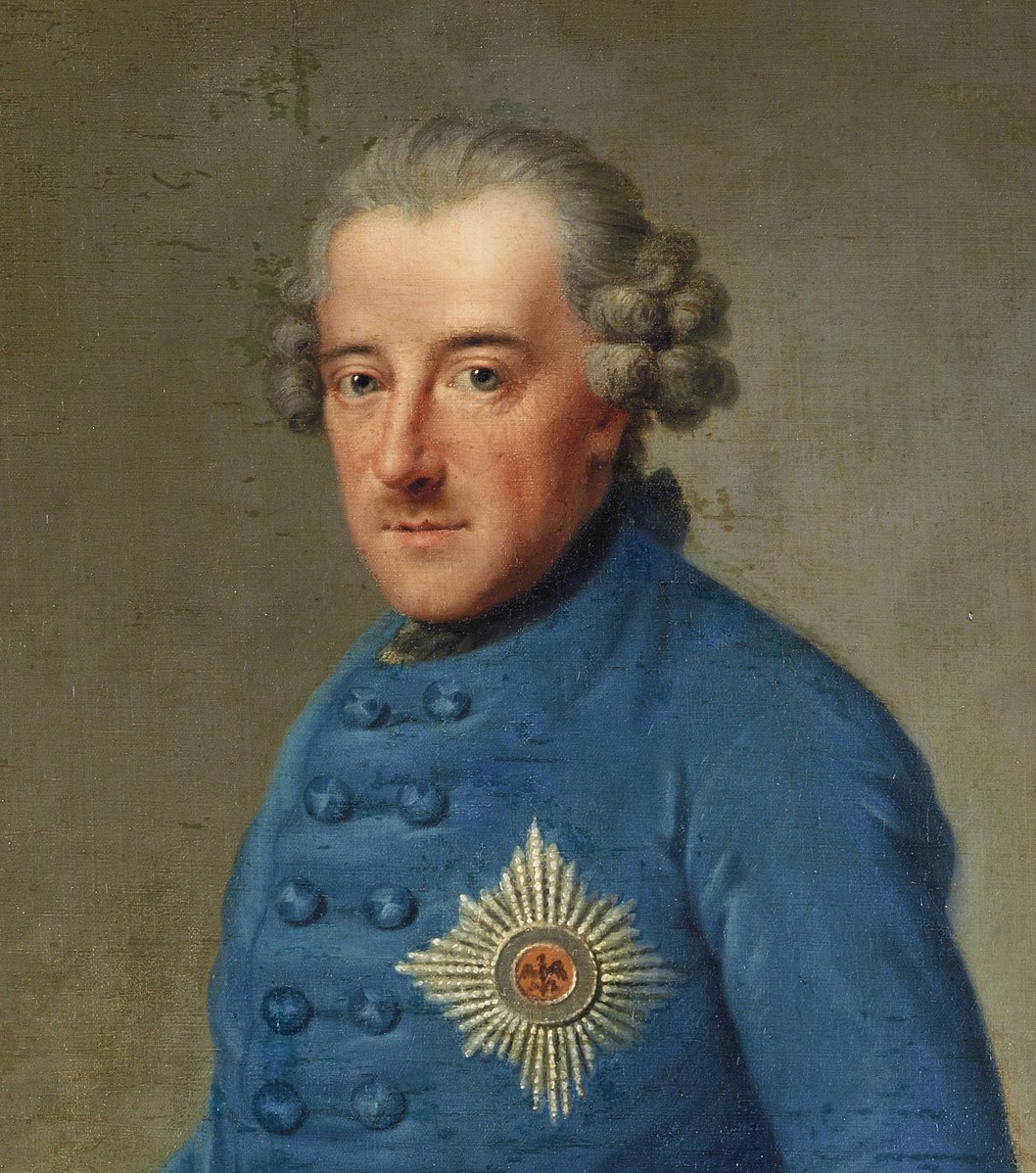
Portrait of Frederick the Great of Prussia, ca. 1763 Portrait of Frederick the Great, ca. 1763, public domain -
Born in 1712, Frederick The Great was technically Frederick 2 of Prussia. He was often called Fritz, but I shall be using Fred because it's shorter and it would probably have annoyed him, which is usually how I assign nicknames to royalty.
-
Fred came from a long line of Freds. His father was Frederick William 1, his grandfather was Frederick 1, his great grandfather Frederick William The Great Elector (he didn't get a number). His successor was Frederick William 2. Everybody in the family was called Fred.
-
Fred's dad Fred, who we'll be calling Bill to disambiguate, was by every account a complete nightmare of a father. Religious, uptight, parsimonious, obsessed with discipline and martial prowess, he also suffered from porphyria, which led him to delusions and violent outbursts.
-
Bill's rules for Fred's upbringing included a rigid, hour-by-hour schedule for every day of the week. 6 days a week young Fred (aged 5 onwards) was required to wake up at 5.30am and be washed and dressed within 15 minutes, followed by an hour of prayer. (On Sundays he woke at 7.)
-
Keen to instill a love of war, Bill gave Fred elaborate sets of military toys. Indeed, at age 6 he put Fred in charge of 130 cadets, much like (and probably inspired by) the childhood regiments of Peter the Great 40 years earlier:
-
This kind of overbearing father would have been tedious for any child but Fred was particularly disinclined to Bill's preferences. He ignored his military games and instead showed an interest in fancy dress, poetry, and playing the lute for his mother's court.
-
In a tale familiar to many queer kids, Fred's lack of interest in manly things infuriated his father, who responded to his recalcitrance by doubling down and delivering beatings. Bill denounced Fred as "effeminate", who "could neither ride nor shoot" and wore his hair too long.
-
The older Fred got, the worse things became. Nothing he did pleased his father, who would punish him by publicly humiliating him. Bill punched him in the face, tore his hair, and on more than one occasion forced Fred to kiss his boots to show obedience. It was truly awful.
-
Through all of this Fred's primary friend and confidante was his sister Wilhelmine, whose letters and diaries provide much of the unedited truth about Fred's life. She too lived in fear of their father.
-
It's from Wilhelmine that we know of Fred's first recorded relationship with a man, at age 16, with Peter Karl Christoph von Keith, a servant of his father's who was about the same age. Fred's father found out about the relationship and had von Keith exiled to a distant outpost.
-
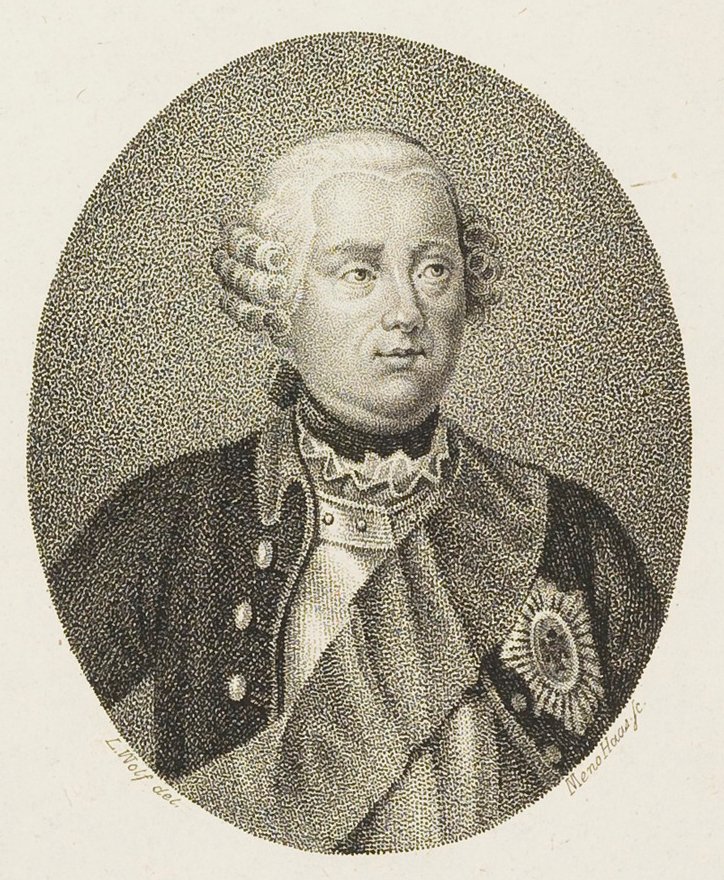
Portrait of Peter Karl Christoph von Keith, Frederick's first boyfriend, who was exiled by Frederick's father Portrait of Peter Karl Christoph von Keith, public domain -
In a famous incident when Fred was 18, Fred's mother arranged for a famous flautist to visit the court and play for Fred. Bill found out about it and was furious. He burst in, confiscated Fred's fancy clothes and burned them, sold his books, and got rid of the flautist.
-
Soon after, Fred attempted to run away. His father found out and had him dragged back home, where he was subsequently kept essentially imprisoned for a year. His co-conspirators in the escape were brutally punished, including his sister and a man who was probably his boyfriend.
-
This boyfriend was Lieutenant Hans Hermann von Katte, 8 years Fred's senior. For his part in the escape plot, and probably also to end the relationship, Fred's father had von Katte beheaded, with Frederick forced to watch. After this, Fred was a broken man.
-
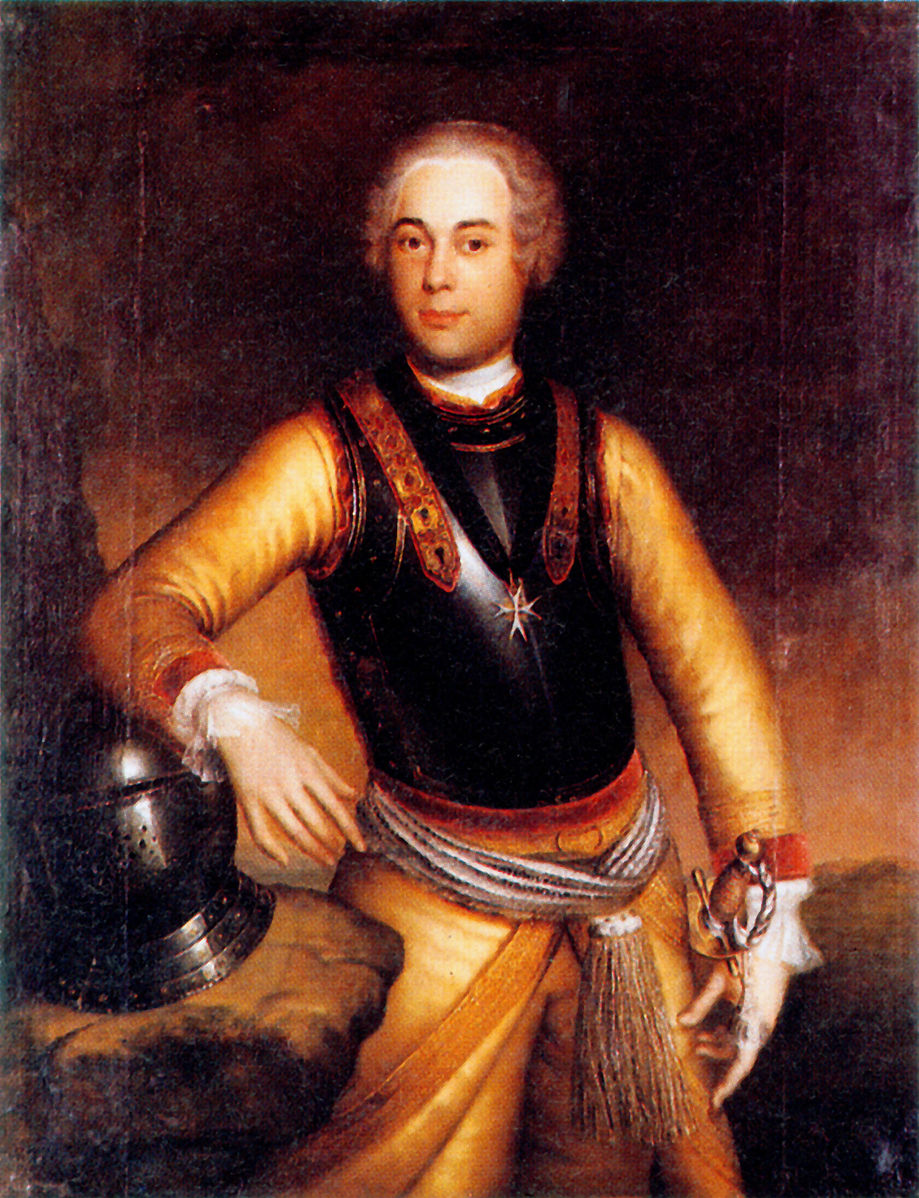
Portrait of Hans Hermann von Katte, Frederick's boyfriend who was beheaded on his father's orders Portrait of Hans Hermann von Katte, public domain -
For the next 10 years Fred meekly submitted to his father's desires and played the part of an obedient son. He mastered military drill and the administrative skills needed to run the kingdom. At age 21, he further submitted to an arranged marriage to Elisabeth Christine.
-
To call this marriage loveless was an understatement. Fred considered suicide rather than getting married, and told his sister "there can be neither love nor friendship between" him and his wife. They would never have children, in fact they barely spoke. Her life was miserable.
-
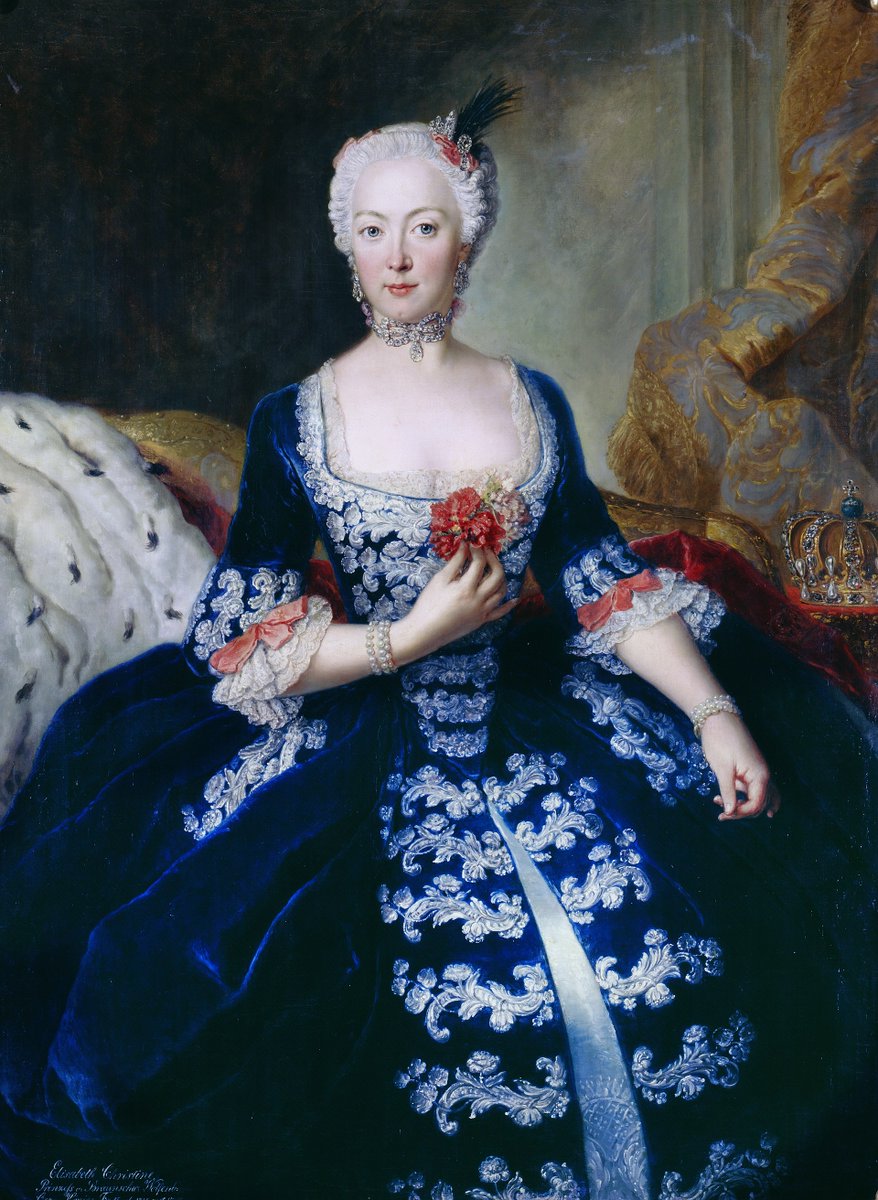
Portrait of Elisabeth Christine of Brunswick-Wolfenbüttel, Frederick's wife, whom he ignored for his entire reign Portrait of Elisabeth Christine of Brunswick-Wolfenbüttel, public domain -
To please Bill, however, Fred made a great show of his affection for his new wife. He boasted of his sexual prowess. But to his sister he wrote "I shall keep my word, I shall get married, but afterwards it will be a case of that is that, and goodbye, Madame, and fare thee well".
-
Obviously, given all of this, Fred was psychologically fucked up forever. His attitude towards women was warped from indifference to outright misogyny. But he remained completely obedient and under his father's thumb until his father died in 1740 at age 51, when Fred was 28.
-
With his father dead, Fred was free to do what he liked, and the changes were dramatic and immediate. He immediately and cruelly packed his wife off to a separate court in another town, where she remained for his entire life, totally ignored and not invited to state functions.
-
Fred was devoted to his mother, who had often protected him from her husband. With his wife ignored, Fred made his mother the de facto first lady of Prussia, whenever a female dignitary was required. He threw parties and invited every member of his family except his wife.
-
He also reversed his father's policies against music and other "effeminate" arts. He redecorated his palaces in sumptuous style and became a great patron of the arts, especially music, spending lavishly in sharp contrast to his father's miserly habits.
-
He also installed Michael Gabriel Fredersdorf, his new boyfriend, who was initially his valet. Fred lavished gifts and titles on Michael and by the end was practically Prime Minister, with all affairs of state running through him. Fredersdorf went with Fred on military campaigns.
-
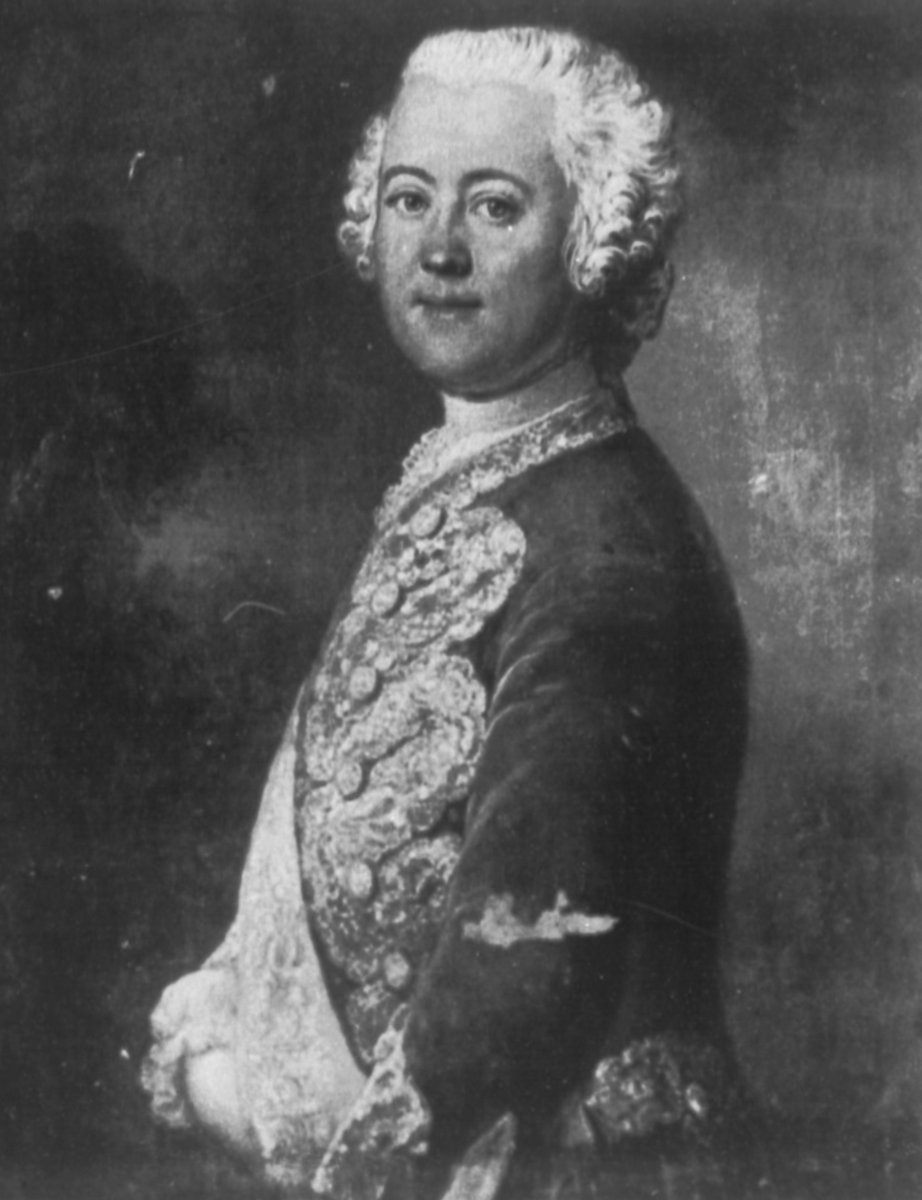
Portrait of Michael Gabriel Fredersdorf, Frederick's valet and longtime companion Portrait of Michael Gabriel Fredersdorf, public domain -
On one occasion during the 7 Years War, Fred took up with a man described as "a handsome Hussar" and Fredersdorf was "ejected" from Fred's tent. Shortly afterwards this man died in a mysterious "suicide", so clearly Michael was not above getting dirty to defend his privileges.
-
In 1755, while on campaign, Fred's attentions turned to a soldier called Christian Friedrich Glasow. They had a tumultuous affair but Christian apparently got greedy and started issuing orders in Fred's name without permission, and they broke up in 1757.
-
Another boyfriend was Francesco Algarotti, an intellectual and poet of some renown. Algarotti was notorious in London for having had simultaneous affairs with Lady Mary Wortley Montagu and Lord Hervey. Fred and Fran wrote each other steamy love poetry.
-
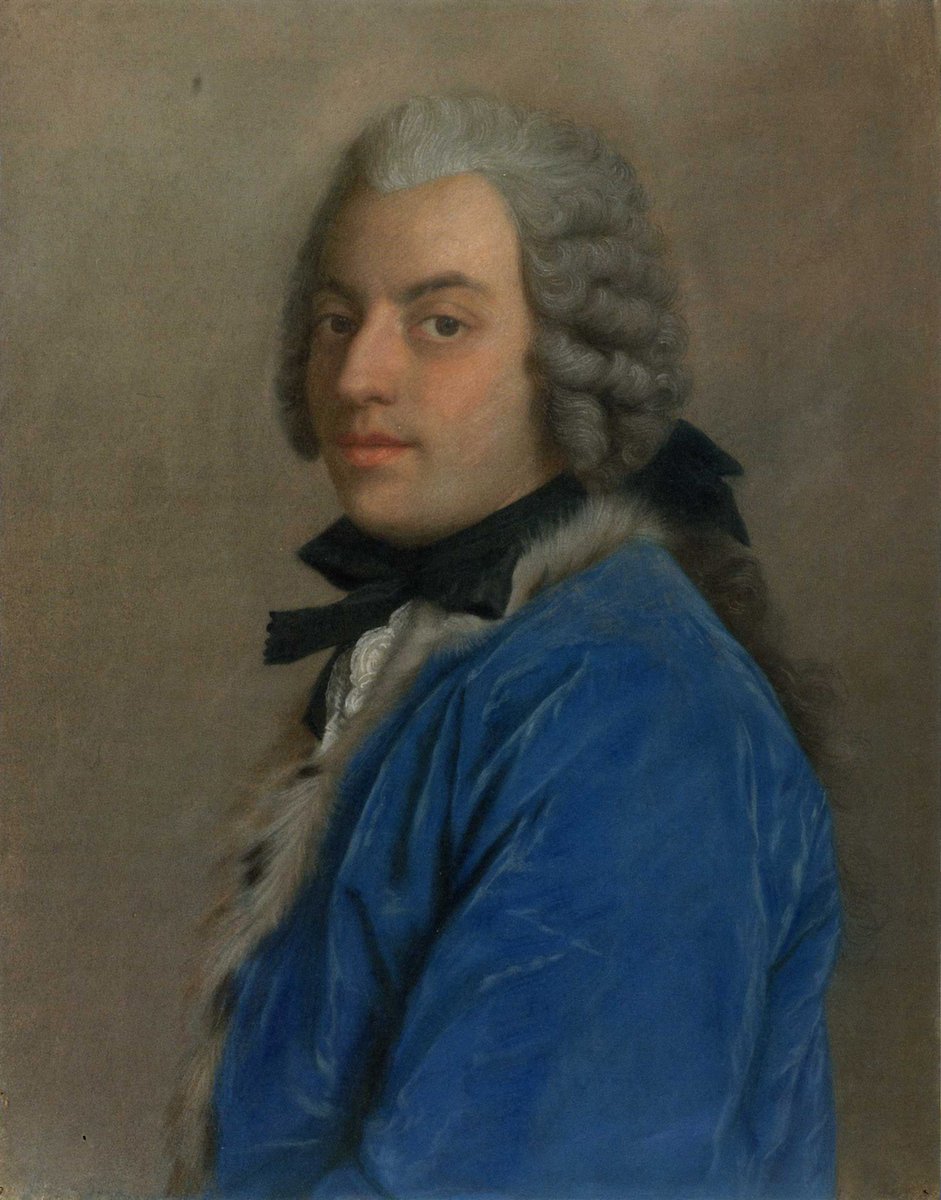
Portrait of Francesco Algarotti, Italian intellectual and poet who exchanged love poetry with Frederick Portrait of Francesco Algarotti, public domain -
Fred took Algarotti as his companion on state visits, "like a royal mistress". Algarotti wrote to his brother that the king "gave me countless caresses, and honored me in a thousand different ways". Algarotti sang songs for him such as "In Praise of the Bum".
-
It was all very unambiguous. Here is some poetry Fred wrote to Francesco. I am particularly fond of the footnote, where his biographer has decided "kissing" makes sense in a verse that is very definitely about fucking.
-
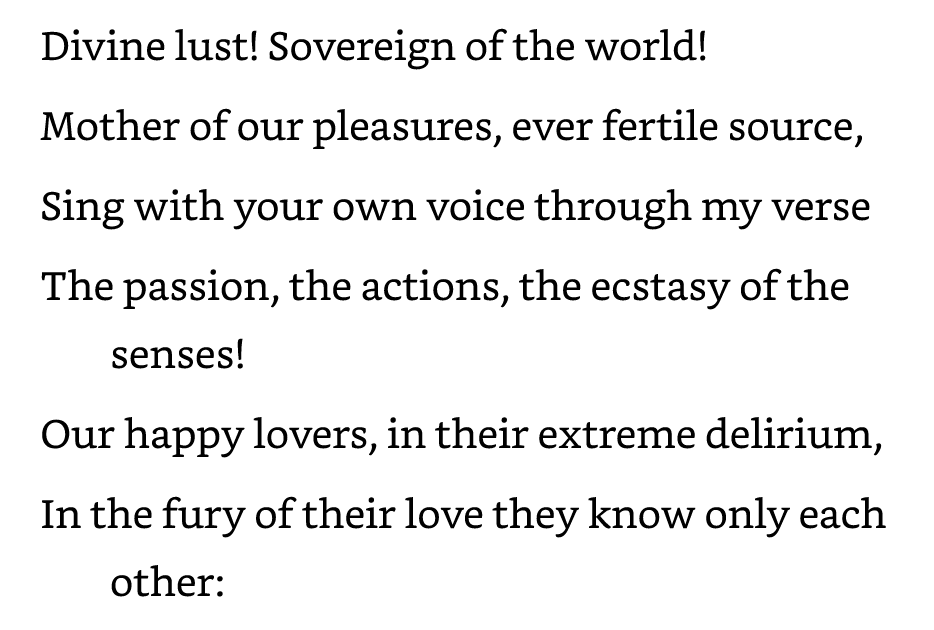
Excerpt from Frederick the Great's love poem to Francesco Algarotti, translated from the French Frederick the Great, poem to Francesco Algarotti, public domain -
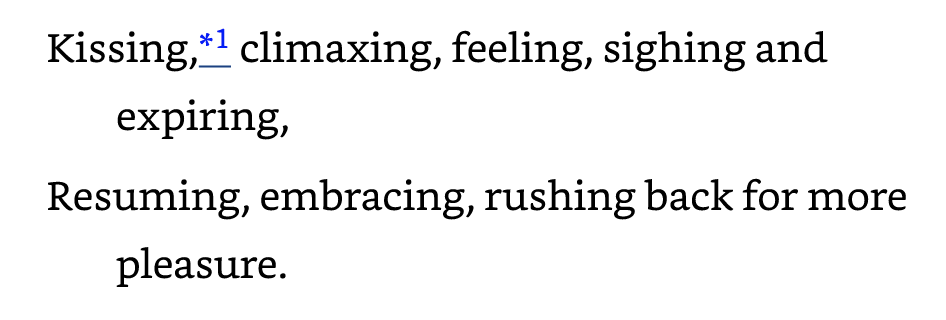
Continuation of Frederick the Great's love poem to Francesco Algarotti Frederick the Great, poem to Francesco Algarotti, public domain -
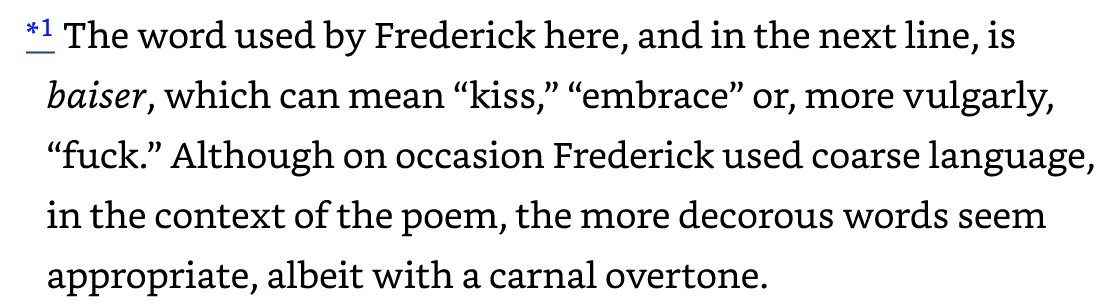
Footnote from Frederick's biographer about the ambiguous French word "baiser" in his poem to Algarotti Footnote from Frederick the Great biography -
All of which is to say that Frederick the Great was gay. Just gay as hell. Extremely, consistently, openly gay, with multiple well-documented relationships with men. Everybody in Europe knew about it, because he took the boyfriends with him everywhere. There was just no doubt.
-
Which is why it's all the more amazing that I had to read *three* biographies of Frederick before any of this stuff was even mentioned. Frederick's sexuality, essential to understanding the man and the forces that shaped him, has been until recently erased from history.
-
Frederick is famous as a military leader, obviously, so most of his biographies have a strong bias to endlessly recounting the details of his battles. But they cover his childhood, the cruelty of his father, his relationship with his sister and mother... but not his boyfriends.
-
Fred's sexuality is very relevant to understanding him as a man! His misogyny, his bitterness, his fierce desire to outdo his father in all matters political and military, these can only be understood and explained in the context of a man cruelly abused by a homophobic father.
-
And he *did* outdo his father. Frederick fought war after war, stealing a huge chunk of Poland to unite his weird, distributed kingdom into the single giant state of Prussia. These wars are very tedious and reveal nothing about him as a person. Here's Europe before and after.
-
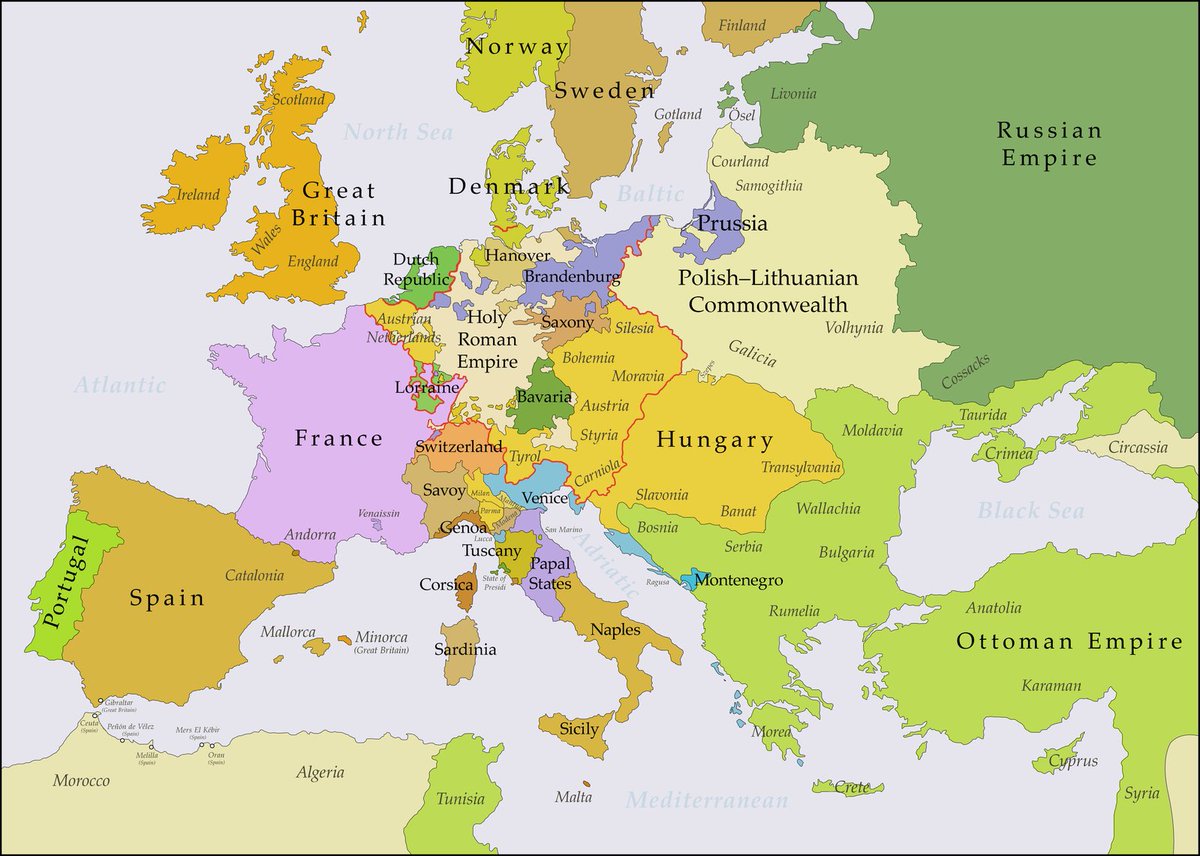
Map of 18th-century Europe showing Prussia before Frederick's military campaigns Map of 18th-century Europe via Wikimedia Commons (CC BY-SA) -
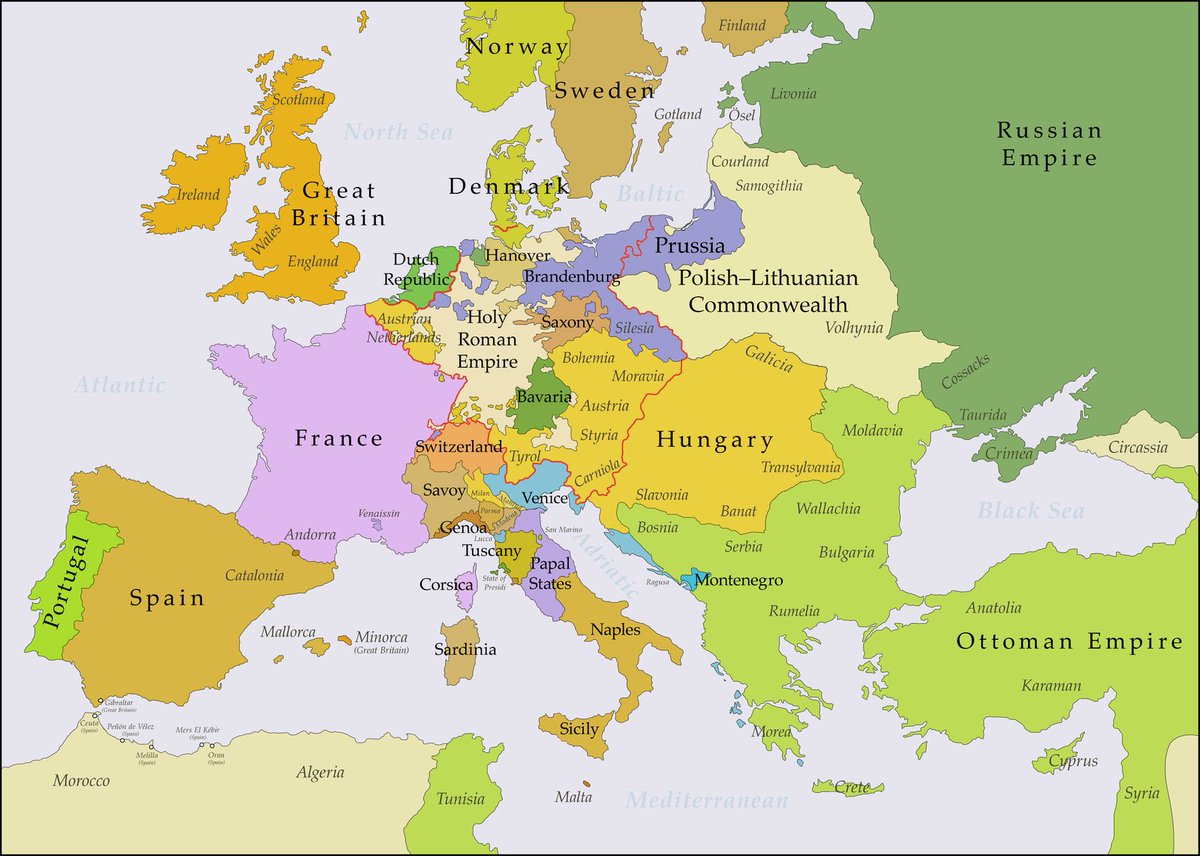
Map of 18th-century Europe showing the enlarged Prussia after Frederick's wars and territorial acquisitions Map of 18th-century Europe via Wikimedia Commons (CC BY-SA) -
In addition to mastering military tactics to a degree unknown previously in Europe, Fred was also a very capable administrator, having absorbed his father's lessons here as well. His state became more efficient and prosperous under his rule. He died aged 74.
-
Historians, I have learned, have spent a lot of time erasing queer people. We've always existed. We have done things both amazing and terrible. Pretending we don't exist has sometimes warped history into nonsense, and in few cases is that more true than Frederick the Great.
-
In the context of his childhood his cruelty, violent outbursts, relentless drive, his recklessness and pride, these are things that make sense in the context of a horribly psychologically damaged man. Without them he's just this dude who was really good at war for some reason.
-
Frederick, like most royalty, was a bloodthirsty, power-hungry asshole. He was incredibly cruel to his wife. He was grossly misogynistic towards women. The wars he started killed thousands, purely for his personal gain. He was not a nice person. His childhood was a tragedy.
-
But Frederick the Great was also a queer person. His achievements and his failings are those of a queer person. Erasing this crucial aspect of his identity has misled students of history for generations. It makes me furious. Frederick the Great was not that great, but he was gay.
-
P.S. To get the gay details on Fred I had to break my rule of "only bios available as audio books" and as expected it made the whole process tedious and unenjoyable, history is harder to read if you can't zone out during the boring bits. Back to audio only.
-
P.P.S. Fred is famous for his military prowess and I've waded through his entire military history 3 times and the reason is: his troops moved faster than the enemy. This has been the "secret" of every great general I've read about from Alexander the Great to Napoleon.
- Previously: Peter the Great
- Next: Catherine the Great
- Full list
Text and images copyright © 2020-2023 Laurie Voss
except where indicated
except where indicated