Hannibal
-
Welcome to chapter 5! This one is about Hannibal (247 - 183 BCE), a famous general from Carthage, on the southern mediterranean coast in what is now Tunisia. You could call it a Hannibal... lecture.
-
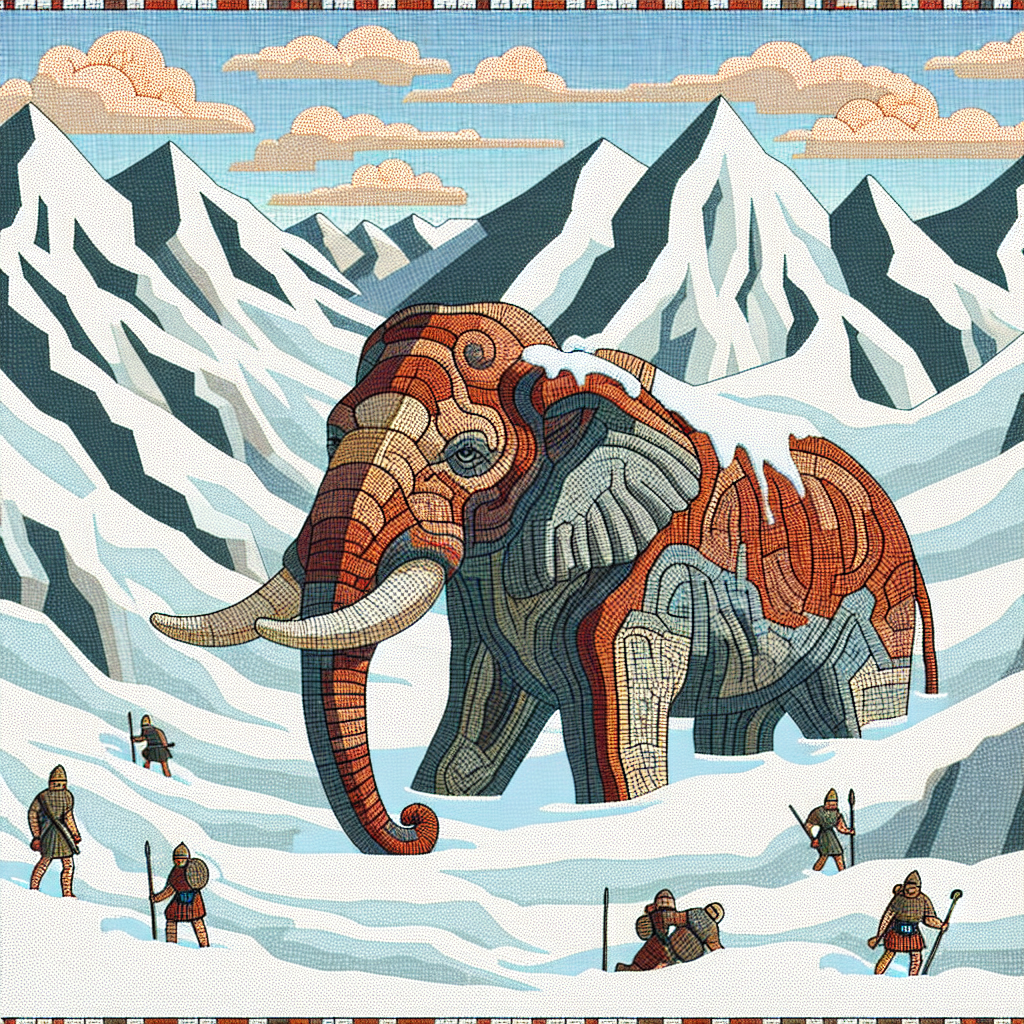
If you know anything about Hannibal, you probably know exactly one thing, which is: he crossed the Alps with elephants to attack the Romans. That's true! He totally did that. But... why did he do that? Elephants? In Europe? On snowy mountains? What?
-
If you think about it for more than a few seconds it's kind of puzzling. First off: he was from the African coast, south of Italy. Why attack Italy from the north? Over an impassable range of mountains? That's the most difficult way to get there! And with elephants even more so!
-
So the first thing to understand about Hannibal is why he'd bother attacking Rome in the first place, and the answer is: because he fucking hated the Romans. His father hated the Romans and as a child made him swear a holy oath to never stop hating the Romans, and he kept it.
-
Also... elephants? Like, African elephants? Nope. Indian elephants! Raised in Africa. How did Indian elephants get to northern Africa? Turns out they were brought there by the returning army of... good old Alexander the Great, his amazing life still echoing through history.
-
Carthage had another Alexander connection, which is that the whole city was a Phoenician colony founded by people from Tyre, a city that was on an island until Alexander conquered it by building a giant causeway from shore and then marching an army over it.
-
(After Alex left Tyre, the causeway changed currents in the area, causing silt to pile up on the causeway, turning the island into a peninsula. Can we just take a moment to appreciate that Alex was such a badass that he permanently modified geographical features?)
-
The Romans attacked Carthage, which had a lot of a particularly valuable purple dye they prized. Their notable winning strategy was making plank-for-plank copies of the Carthaginians' own warships and then building thousands of them to attack and defeat Carthage.
-
The wars between Rome and Carthage went back and forth for like a hundred years and were known as the Punic Wars, "Punic" being the latin for "Phoenician", which the Carthaginians were. Here's a map showing the state of play around the time of Hannibal.
-
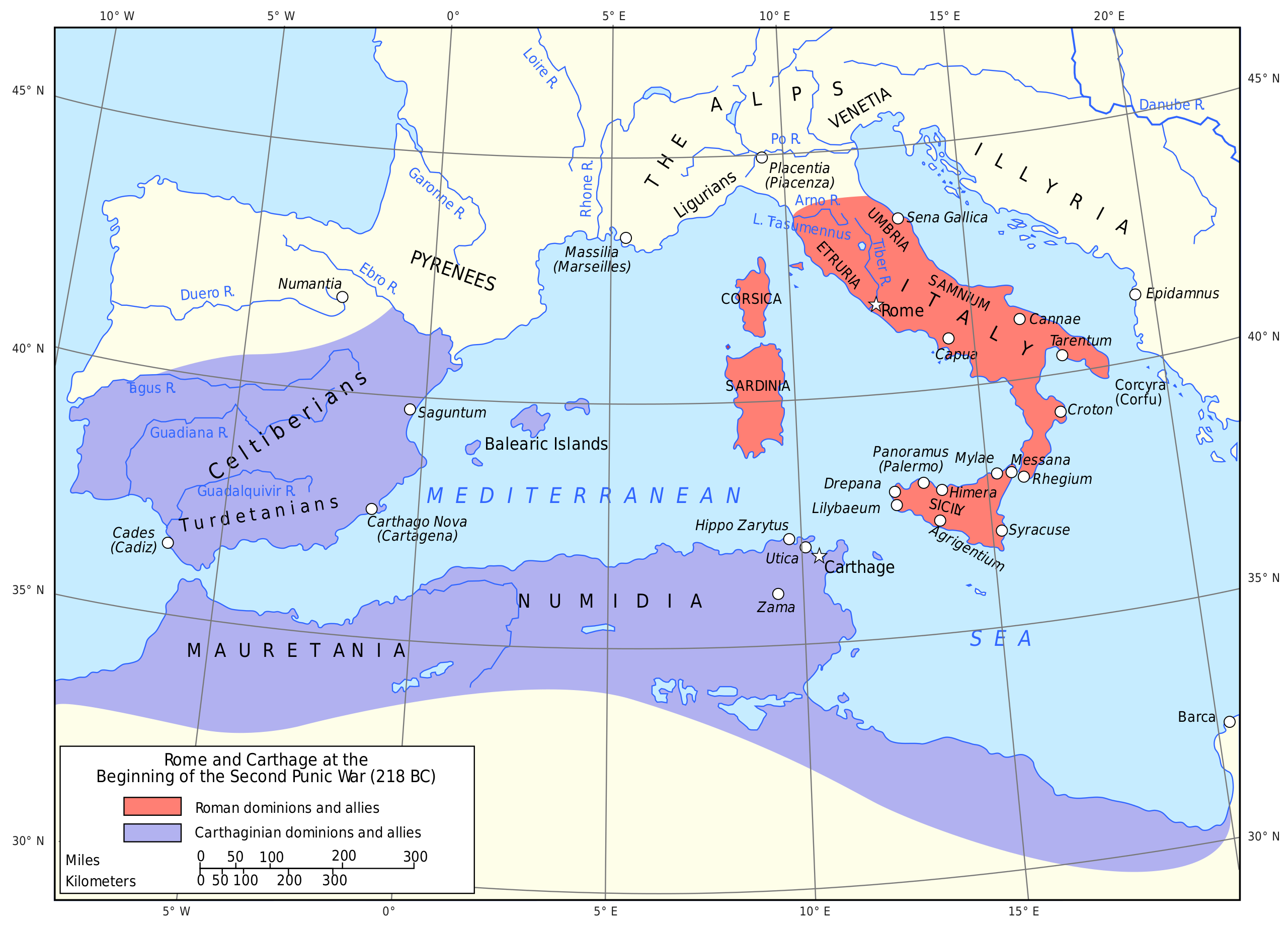
A map of the Mediterranean showing the territories controlled by Rome and Carthage in 218 BCE. CC BY-SA Wikimedia user Grandiose. -
That map is the answer to why Hannibal was attacking Italy from the north: he was coming from Spain! Carthage took over a huge chunk of the Mediterranean including Spain, and Hannibal's dad took him there as a child, leaving his mother and sisters behind.
-
(Another side note: sexism being a thing in Carthaginian society, we know almost nothing about Hannibal's mother, not even her name. We know he had three sisters because the names of the three men they were married to in political deals were recorded, but not their names either.)
-
So Alexander the Great plus the first Punic war is why a pissed-off Carthaginian named Hannibal from Africa was living in Spain with a ton of war elephants. He decided he was going to beat the shit out of the Romans and surprise them by coming from the north, with elephants. It certainly was surprising!
-
The reason it was so surprising is because this was obviously a terrible idea and everybody knew it, for a number of really good reasons. Here's the route he took. (Note how much closer Carthage is to Rome by sea than the actual way he went.)
-
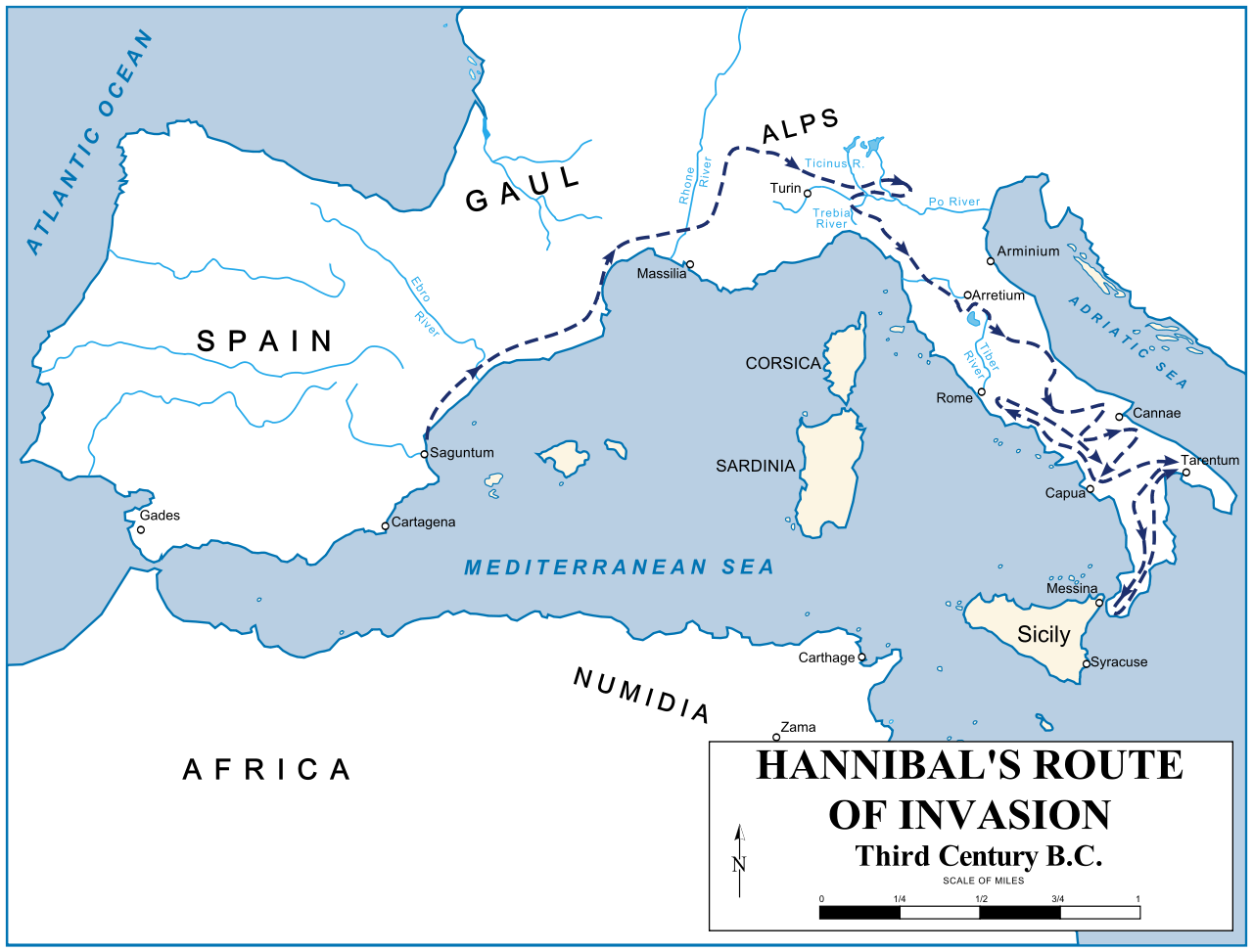
A map of the Mediterranean circa 218 BCE showing the route taken by Hannibal when invading Italy. CC BY-SA Wikimedia user Abalg. -
First reason: Spain and Italy are more than a thousand miles apart via this route and this was 218 BCE, so marching there with a giant army meant to get to Rome, Hannibal had to conquer all the land in between his home in Spain and there, land occupied mostly by Celtic tribes who were no pushovers.
-
Second reason: there were no roads, kind of a problem for Hannibal's enormous army of 40,000+ guys and 12,000+ horses plus 38 elephants. I was delighted to learn the elephants crossed rivers deeper than they were tall by holding their trunks above water and snorkeling across.
-
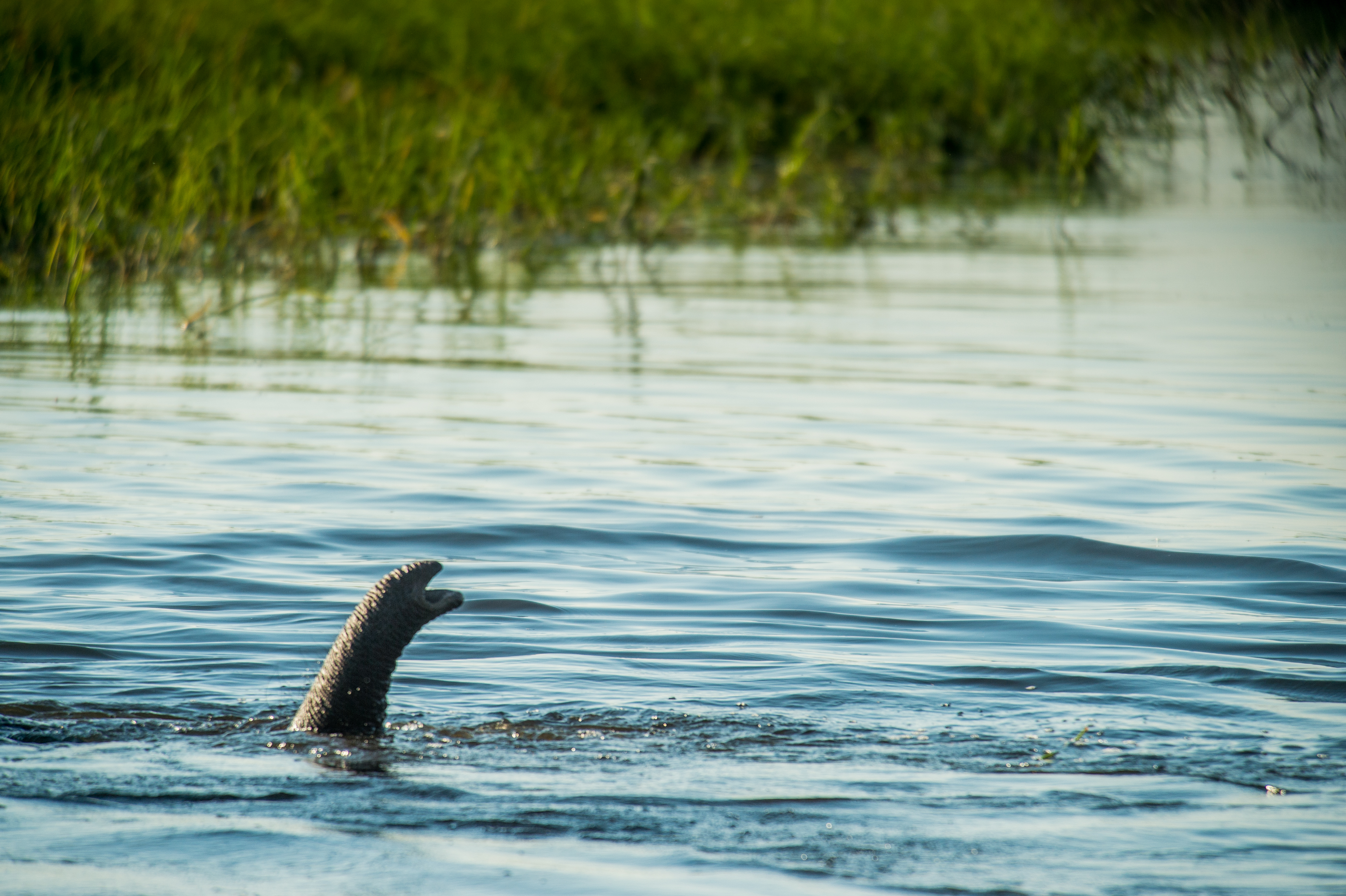
An elephant, snorkeling. They really can do this. Licensed from iStock by Getty -
Third: he had to hold on to the huge chunk of Europe he had just conquered just to get to the Alps in the first place, in order to keep his supply lines open. This meant leaving people behind. Hannibal crossed the Alps with 38,000 dudes, 8,000 horses and the same 38 elephants.
-
Finally, and I can't stress this enough: crossing the Alps is hard! The Alps are very tall and it was very cold and the Romans were chasing him, plus it's not like it's easy to move elephants around in the first place. It didn't go well! Half his army died in the crossing!
-
But even having lost a staggering 24,000 men and 4,000 horses plus like half the elephants getting over the mountains, once he was over he was basically unstoppable because nobody had expected him to be there. He crushed the Romans in battle after battle and took town after town.
-
Like Napoleon and Alexander, Hannibal's victories were less because he was very good at strategy and more because he was doing something nobody had seen before, so they had no idea how to stop him. Firstly, he moved faster than anyone thought was practical. Secondly: elephants.
-
Elephants were effective not because they were particularly good in battle — elephants are hard to control and as likely to trample a friend as a foe — but because it turns out the smell of elephants scares the shit out of horses. Hannibal's elephants panicked Roman horses.
-
Hannibal was also good at using trickery, something the Romans considered unmanly and beneath them. He would hide in swamps, lakes and fog, and he once memorably tied burning torches to a herd of cattle and marched them in the dark to make the Romans think his army had left.
-
The Romans also had a weird strategic weakness: their army was made out of the combination of two armies run by two equally-senior Consuls. Instead of each commanding half the army, they took turns running the army each day. So if one general was good and one sucked, Hannibal could just wait a day and fight the shitty one.
-
Hannibal had the entire Roman empire on the run. In the battle of Cannae he killed 50,000-70,000 Romans, which was something like 20% of all Romans who existed at the time, in or out of the military, including about 30% of their military leaders. In one battle! Rome was scared shitless.
-
But while he conquered most of Italy, Hannibal stopped short of conquering Rome. It's been debated why, but the most obvious reason is that Rome was well-defended and Hannibal lacked catapults and other siege weapons necessary to take such a big city.
-
Eventually a Roman general called Quintus Fabius Maximus Verrucosus figured out the way to defeat Hannibal, which was to avoid fighting him directly and simply keep him boxed in while his long supply lines, disease and exhaustion whittled away at his army.
-
This strategy was very effective but the Romans were not enthused. Hanging around waiting for your enemy to die of attrition seemed like cheating to them, and they were not fans of Fabius and his strategy, which is now named the "Fabian strategy" after him.
-
A frustrated Hannibal got stuck in a rut in southern Italy, slowly losing men and the support of the countryside, who began defecting back to the Roman side. Eventually Carthage got tired of supplying his huge army and called him back to Carthage.
-
After that it all went wrong for Hannibal. The Romans counter-attacked Spain, defeating and killing his brothers. The Carthaginian empire went into retreat. At the battle of Zama the Carthaginians were soundly defeated.
-
But Hannibal wasn't killed in the battle. He lived another 20 years, simultaneously a living legend and a washed-up local politician. He never stopped hating the Romans. The Romans for their part eventually decided to come after him, at which point he took poison rather than be captured.
-
Like Alexander before him and Napoleon long after, Hannibal was great at war but didn't have a plan to hang on to what he had won, and his empire collapsed almost as fast as he created it. But hey, he died 2,200 years ago and you still know his name. And his snorkeling elephants.
-
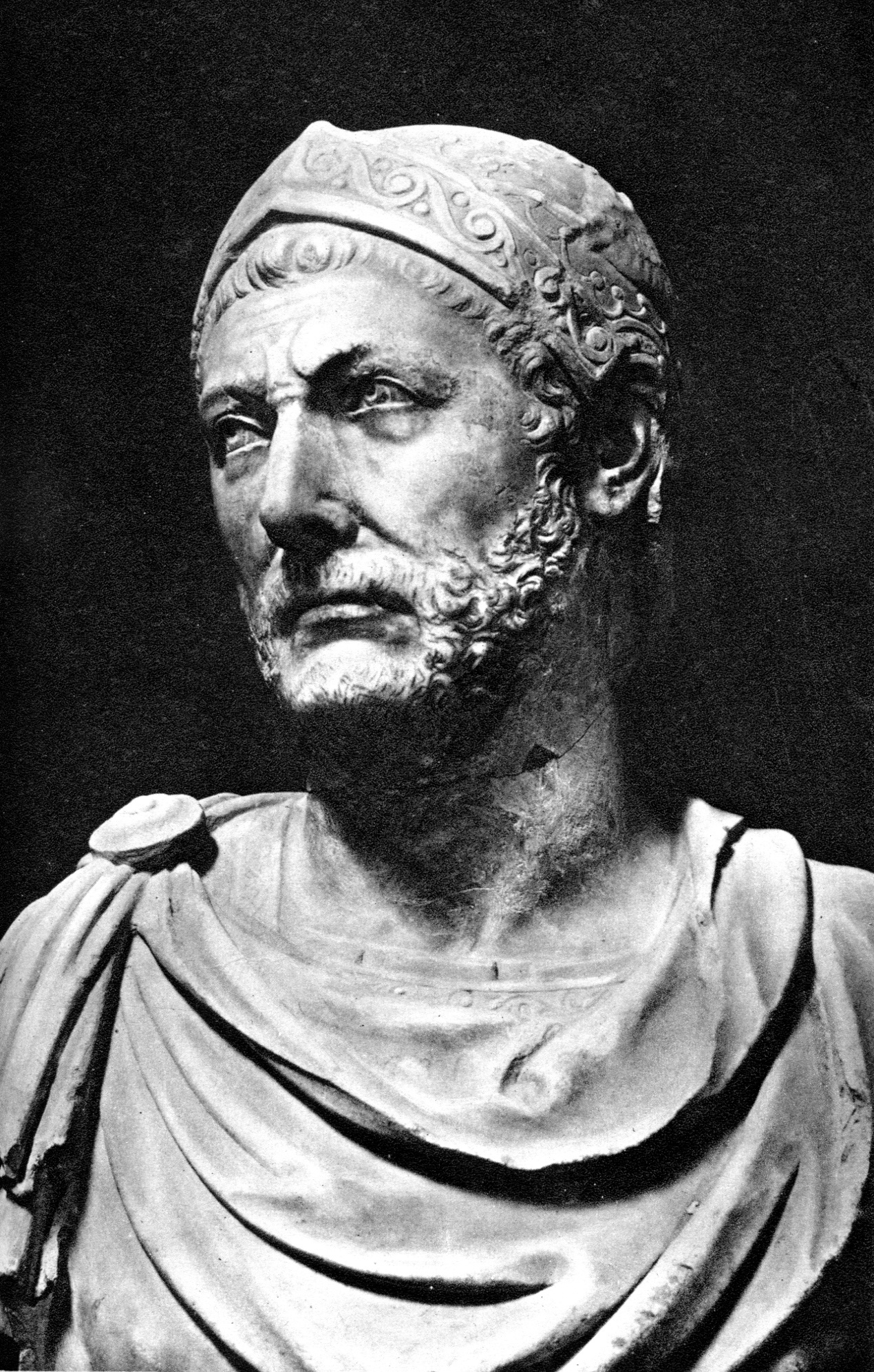
A marble bust, reputedly of Hannibal, originally found at the ancient city-state of Capua in Italy. Public domain photo via Wikimedia.
- Previously: Archimedes
- Next: Julius Caesar
- Full list
Text and images copyright © 2020-2023 Laurie Voss
except where indicated
except where indicated