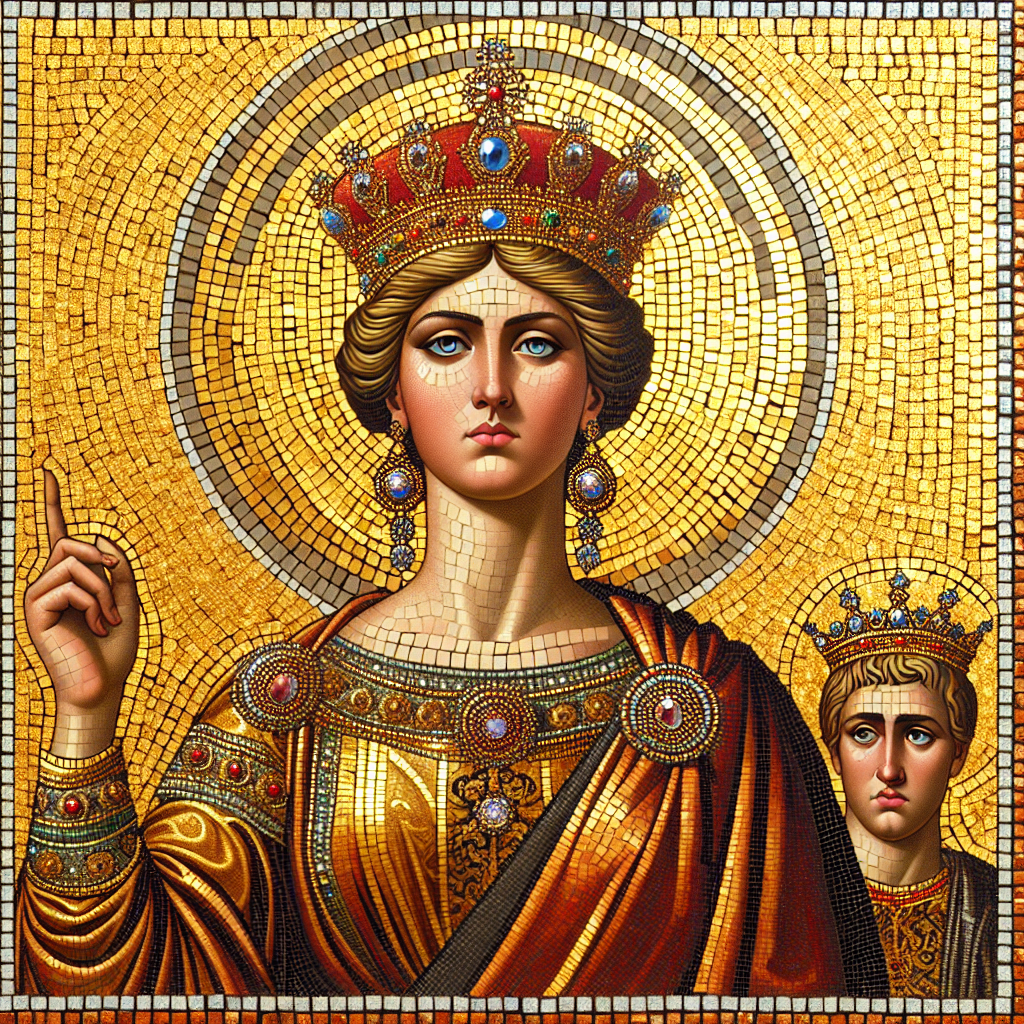
Justinian the Great
-
At this point in the #EuropeanBios project I come to an unfortunate 280-year-long gap between the death of Attila and the birth of Charlemagne where I cannot find high quality (audiobook) biographies of anyone. It's annoying!
-
It's also weird, because there are dozens of high-quality biographies in excruciating detail of Roman emperors between 250BCE and 400CE when Rome was sacked. But then there's 500 years of almost nothing until 1066 when suddenly things get VERY crowded in terms of coverage.
-
So just to avoid a gap, here's a very, VERY tiny summary of what went on in Europe around then: The Roman empire, collapsing for centuries, split into two after the death of Theodosius the Great in 395.
-
Rome itself was sacked in 410 by the Visigoths under Alaric, who sounds pretty interesting. This happened during the life of Augustine of Hippo. The fall of Rome was a psychologically traumatic, unthinkable event for the citizens of the empire.
-
The visigoths showed up because they were being driven westwards by the Huns under Attila the Hun. After Attila's death the visigoths and other tribes continued to lay waste to Europe in general.
-
Enter Justinian, born 482, our entry #18, who became emperor of the Eastern Roman Empire ruled from Constantinople in 527. He is known primarily for trying to codify Roman law and give the law a systematic basis, which nobody had really done before.
-
Justinian's wife Theodora was probably the real power behind his rule. A courtesan 20 years his junior, she was a huge badass and did a great deal of governing directly as a co-ruler in everything but name. It is a real shame I can't find a bio of her because she sounds cool.
-
Europe now came under the rule of some names you may have heard of: the Merovingian dynasty in France, the Visigoths (literally "wise goths"), the Ostrogoths (literally "Eastern goths"), and the Lombards. My kingdom for a good bio of any of the individuals involved!
-
This left Europe in a highly fragmented state under a feudal system of local princes and lords. This set the stage for the coming of Charlemagne, our next subject, whose bio I start today while taking a long, socially distant walk across SF.
- Previously: Attila the Hun
- Next: Charlemagne
- Full list
Text and images copyright © 2020-2023 Laurie Voss
except where indicated
except where indicated