Lise Meitner
-
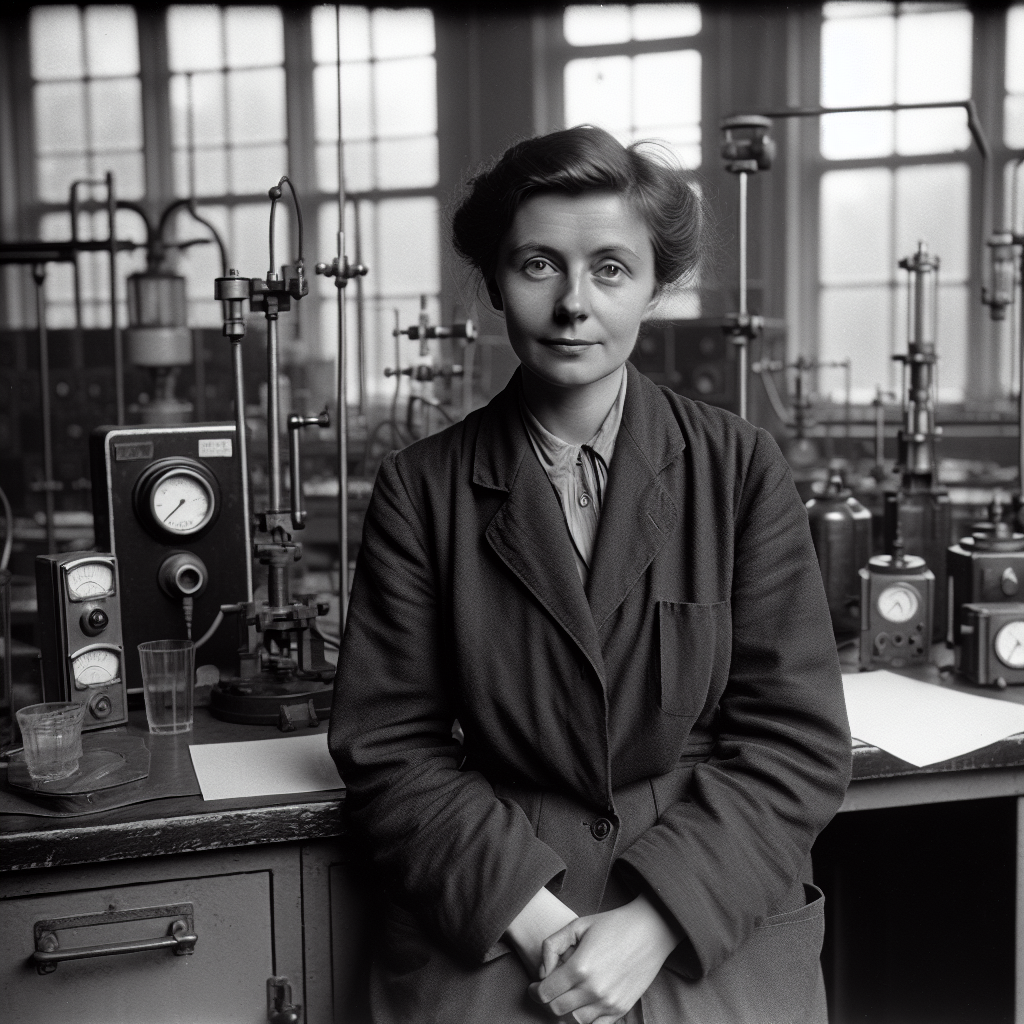
Today's #EuropeanBios thread is #82, Lise Meitner, born 1878, the woman who realized atoms could be split and was known as "the mother of the atomic bomb" but whose work has been deliberately obscured by generations of sexism and no small amount of anti-semitism.
-
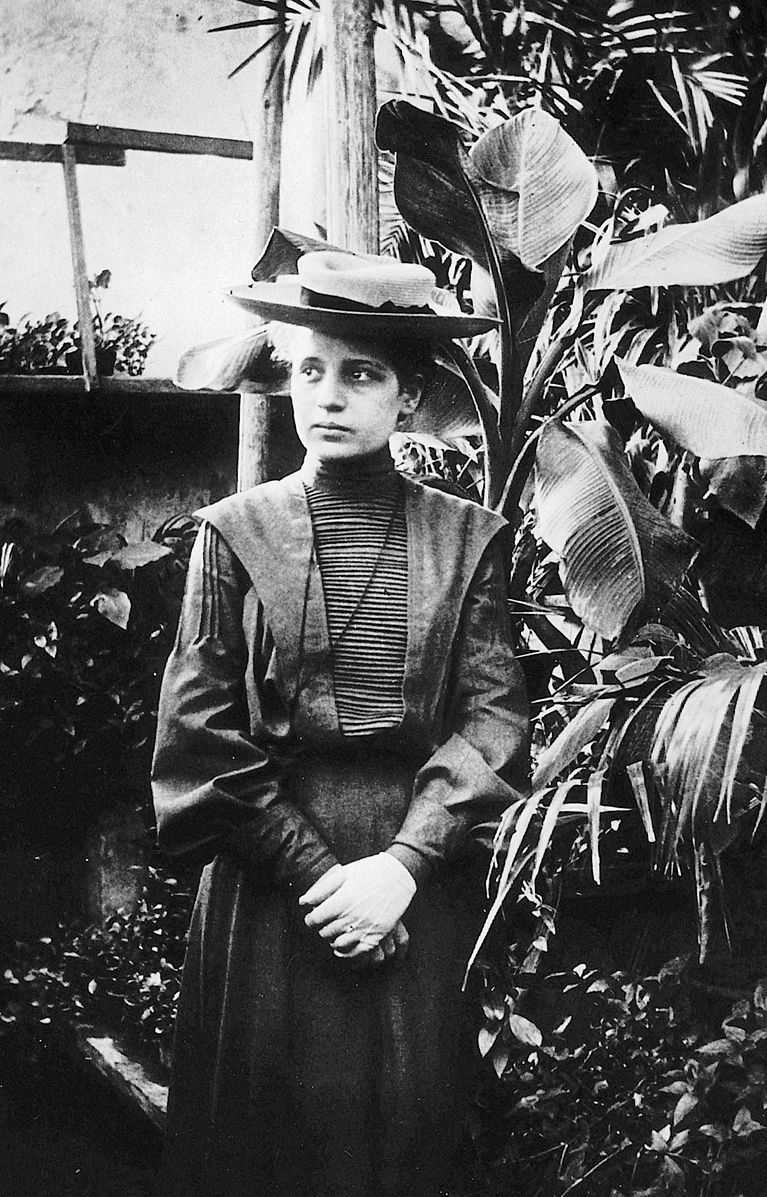
Lise Meitner, early portrait, c. 1900s, public domain public domain -
It's been more than 2.5 years since I started the #EuropeanBios project and we are now approaching the end, with only 2 bios left. I'm going to turn these into a website, an ebook, and if there's enough interest maybe an actual printed book.
-
I would love to know your level of interest in a book! Because while I read the bios for fun and the threads themselves are also a lot of fun, turning them into a proper book will be quite a lot of extra work, which I'm only going to do if people are actually interested.
-
I would also love to hear suggestions for what the next series should be, since I am certainly going to be reading bios for fun anyway and may as well keep writing threads. Some options I'm considering, but feel free to suggest alternative themes:
-
Elise Meitner was born in Vienna, Austria, the 3rd of 8 children. The family was well-off, her father being one of the first Jewish men allowed to become a lawyer in Austria. He had big ambitions for his children, unusually for the time including his daughters.
-
Educating women was not a priority in 1890s Austria and her public schooling ended at age 14, after which she trained to become a school teacher, the only profession open to women at that time. However, the rules changed in 1899, allowing women to enter university.
-
Elise and her older sister took advantage of this, taking private lessons to cram 8 missing years of schooling into 2, and in 1901 she was one of only 4 women (out of only 14 who even applied) accepted to the University of Vienna.
-
The sexism that greeted her entry to university was not subtle. Professors openly declared that women were not intellectually capable of learning the subjects they taught. She persisted and was one of the first women to receive a doctorate in physics at Vienna, in 1905.
-
There being no jobs open to women in theoretical physics, it was unclear what she should do next. She applied for a job to work with Marie Curie, already famous, but her application was rejected. Instead, with financial backing from her father, she left Austria for Germany.
-
In Germany she attended the Friedrich Wilhelm University in Berlin, where Max Planck was teaching physics. Planck was to be a major force in her career, despite being no feminist: Planck was openly opposed to women students with "only a few exceptions", but Meitner was one.
-
Planck allowed Meitner to attend his lectures, albeit unofficially, and Elise became friendly with his wife and daughters. She also managed to find (almost unpaid) work at a lab in the physics department, where she was introduced to Otto Hahn.
-
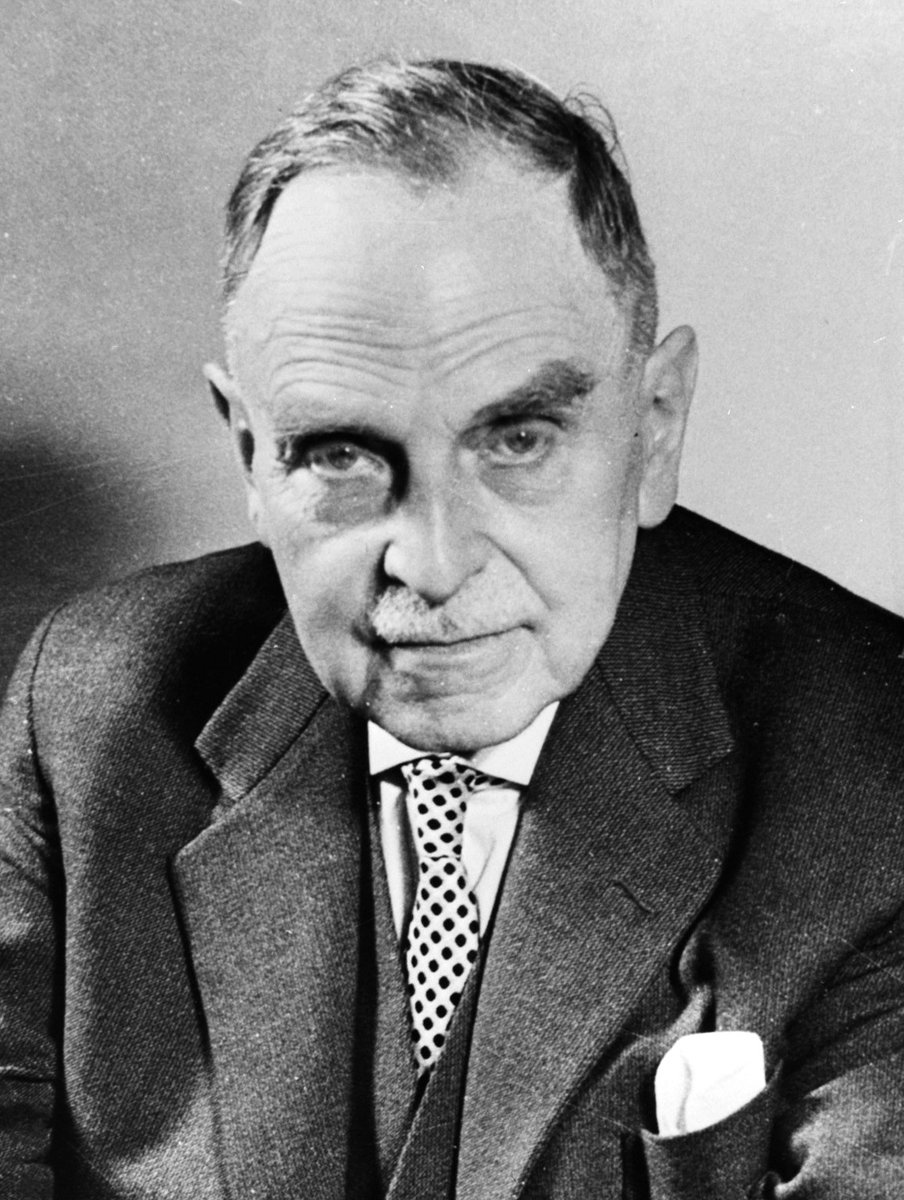
Otto Hahn, Meitner's laboratory partner, c. 1950s, public domain public domain -
Hahn and Meitner were to become life-long collaborators and (for rather less long) friends. He was doing research into radioactivity in the chemistry department, but his results kept straying into the realm of physics, and he needed a physicist to interpret his findings.
-
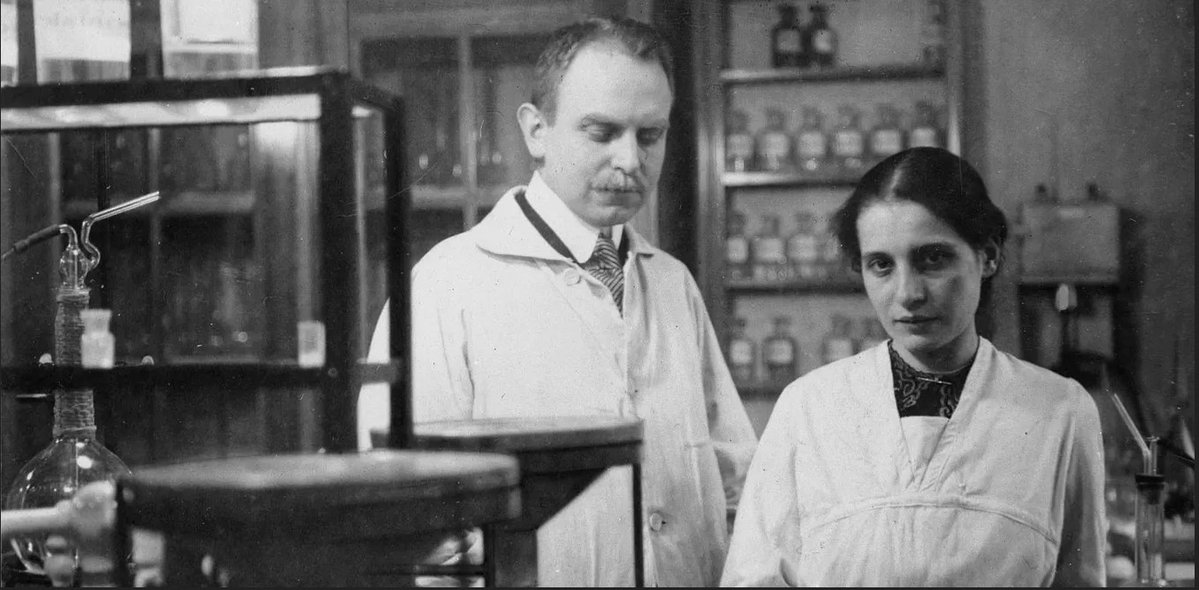
Otto Hahn and Lise Meitner in their Berlin laboratory, c. 1910s, public domain public domain -
Sexism presented practical difficulties: the chemistry department banned women even entering the building in case their "long hair caught on fire", but she was allowed to enter the basement via a separate entrance and work there. She had to use a restroom in another building.
-
There was also lots of anti-semitism in Berlin at this time. In a move that is probably not a coincidence, Meitner converted to Christianity in 1908, soon after moving to Germany, which is also when she adopted the name "Lise" instead of "Elise".
-
She and Hahn had an excellent professional partnership; they published joint papers with her name always listed second as "L. Meitner" to disguise her gender. Her compatriots received 5 different nobel prizes for their joint work, but she remained in the background.
-
Eventually, despite men taking credit for her work and frequently ignoring her, her contributions to theoretical physics became too big to ignore and she qualified for her own lab, although she earned a fraction of the salary that men did.
-
Meitner's attitude to all of this was at all times notably timid. She was not a take-no-prisoners feminist but a socially awkward, retiring nerd who just wanted to learn more things about physics and didn't really care what people said as long as she could keep working.
-
Her work was interrupted by the first world war; she joined the war effort as an x-ray technician on the front lines (something Marie Curie also did at that time)
-
After the war her research continued. She discovered a new element, protactinium, and was granted a professorship alongside Hahn, although still earning less than he did. She continued to make ground-breaking discoveries and was famous amongst physicists worldwide.
-
But the world around her was crumbling. Hitler was on the rise, laws against Jewish people were coming into force, and casual anti-semitism began to creep into her everyday life. She ignored this, with increasing force and desperation, until it was almost too late.
-
It's not hard to understand why. She had fought inch by inch for her position for decades and by 1933 was 55 years old; if she fled Germany (as many were urging her to do) there were no jobs on offer for a Jewish woman scientist, she would be penniless and, worse, unable to work.
-
Her very slim legal defense was that anti-Jewish laws applied to German Jews and, being Austrian, therefore not to her. This crumbled in 1938 when Germany annexed Austria, but now it was too late: her Austrian passport was no longer valid, and she could not travel anywhere.
-
In an incredibly tense and dramatic escape, she traveled by local trains to towns close to the border with Denmark, followed at a distance by a Dutch professor friend of hers, Dirk Coster, who had secured permission to cross the border in wartime for work reasons.
-
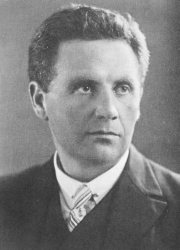
Dirk Coster, Dutch physicist who helped Meitner escape Nazi Germany, c. 1930s, public domain public domain -
As they approached the border, Coster walked down the train to sit next to Meitner. When the German border guards came, they inspected Coster's passport and then, assuming Meitner to be his wife, did not ask for her papers. A world of sexism worked in her favor, just this once.
-
It's worth noting that her longtime collaborator Hahn, whose career owed so much to her, was an asshole about all of this. He had been put in charge of the institute where she worked (after many more senior Jewish scientists fled) and refused to stick his neck out to protect her.
-
Hahn had pangs of conscience about this but expressed it in deeply insulting ways. When she fled, he gave her a diamond ring, not as a memento, but as an easily-sold source of funds. Years later, when he won a nobel prize, he kept the prize to himself but gave her half the money.
-
Out of Germany, she met or corresponded with her peers, many of whom are household names whom it is weird to think of as direct contemporaries: Einstein, Bohr, Fermi. Bohr in particular was responsible for the logistics around her escape and finding her a new lab to work in.
-
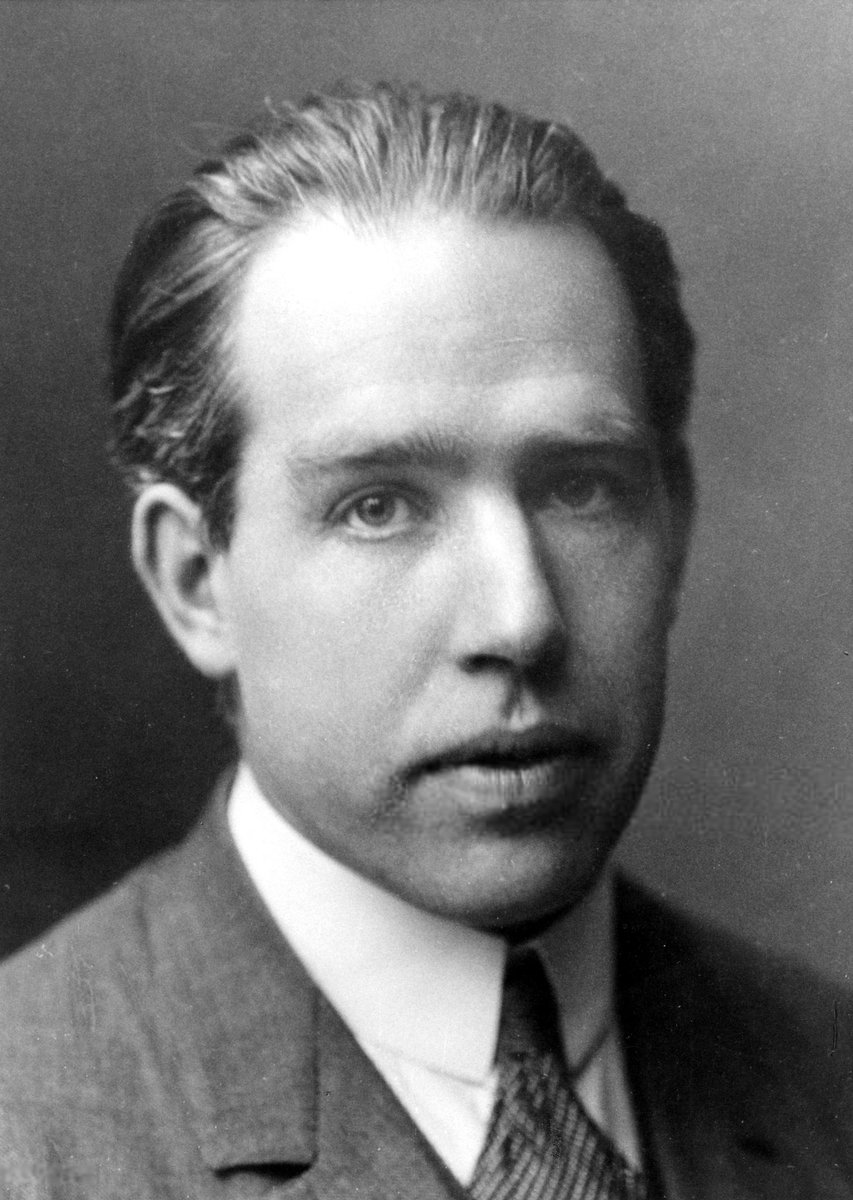
Niels Bohr, Danish physicist who arranged Meitner's new laboratory after her escape, c. 1920s, public domain public domain -
Hahn and Meitner continued to correspond, but on purely scientific matters. Their friendship was over. He ignored any mention in her letters of injustices to Jewish people except to claim they were exaggerated, and totally ignored her heartfelt letters of loneliness and grief.
-
Despite this emotional break, they were about to make their most important discovery. Hahn was experimenting with isotopes of radium, but despite meticulous methods kept ending up with a substance that "behaved like Barium". Mystified, he asked Meitner to consider the problem.
-
On a long walk through the snow with her scientist nephew, Otto Frisch, she had a flash of insight that had eluded scientists for decades: the radium was decaying into two other elements: barium and krypton. Krypton is an inert gas, so it was escaping without Hahn noticing.
-
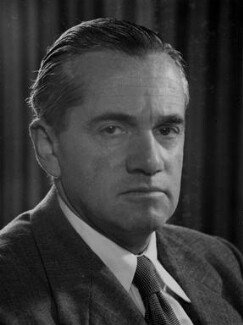
Otto Frisch, Meitner's nephew and fellow physicist, with whom she worked out the theory of nuclear fission, c. 1940s, public domain public domain -
The energy required to split an atom of one element into another is (in atomic terms) immense; Meitner realized that this energy could, via Einstein's recent E = mc^2 equation, come from a decrease in the mass of the new elements relative to the old.
-
The decision to name this process "fission" came from Frisch, who got the term from a biologist friend. They visualized the atom as a big, wobbly drop of water, splitting into two smaller drops, like cells dividing. Frisch and Meitner published in February of 1939.
-
This was a huge deal. Lots of people had considered splitting atoms impossible, but Meitner showed that not only was it happening, but it had been happening in experiments for years, and been misinterpreted by everyone prior to her. Years of papers were retracted and re-written.
-
It was also immediately a cause for concern. As early as 1933, a scientist called Leo Szilard had theorized that neutrons could cause an atom to split, releasing additional neutrons, a chain reaction could be caused to release enormous energy -- or even a bomb.
-
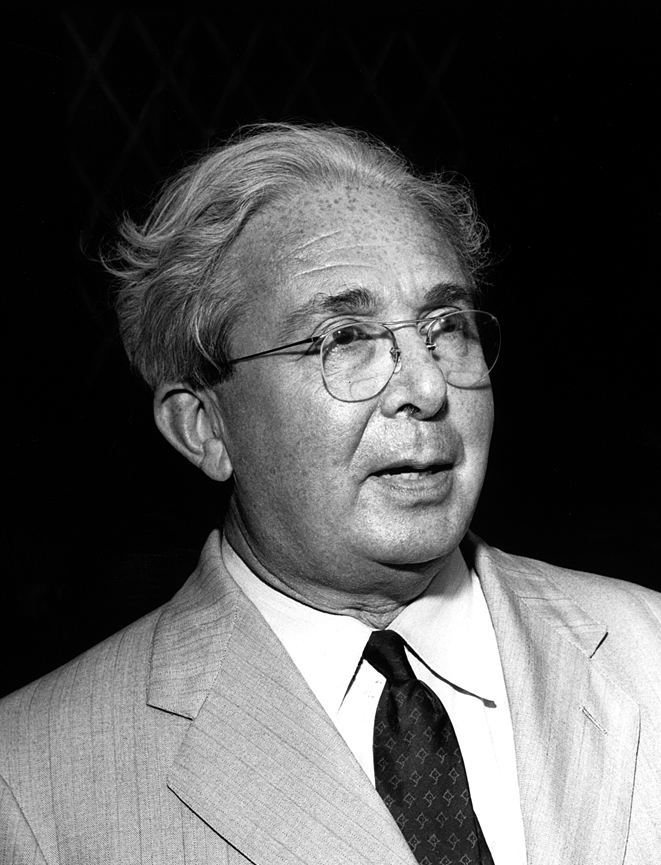
Leo Szilard, physicist who theorized nuclear chain reactions as early as 1933, c. 1940s, public domain public domain -
This theoretical possibility was now a terrifying reality, kicking off the long and dramatic saga of the Manhattan Project and the atomic bomb, which we won't get into here. When the bombs were dropped on Japan, Meitner was hailed as "the mother of the bomb" in the press.
-
Meitner, a pacifist, was horrified. She devoted the rest of her life to activism against nuclear weapons. When Hahn alone was awarded the Nobel prize for fission in 1944 but gave her half the money, she donated it to Jewish refugees of world war 2.
-
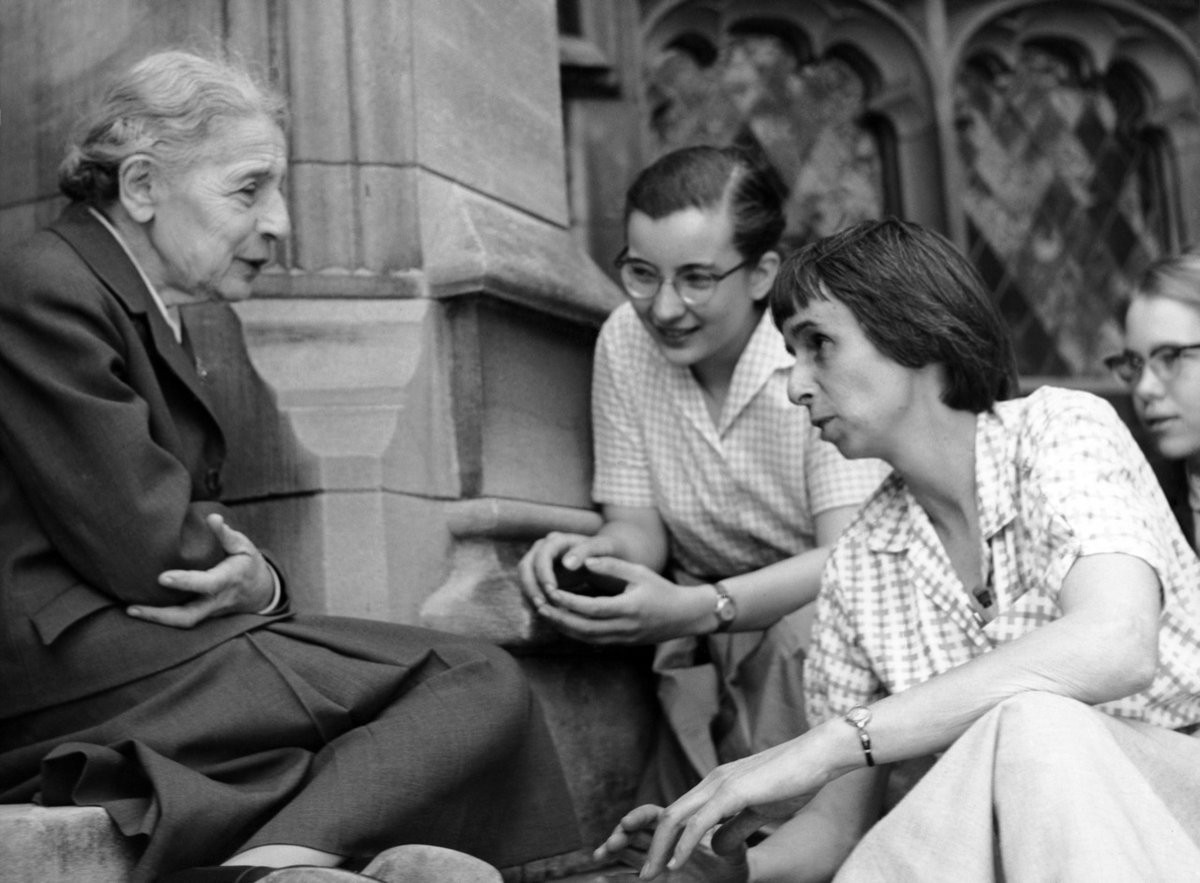
Lise Meitner with students, c. 1950s, public domain public domain -
Meitner was nominated for Nobel prizes in physics and chemistry an astounding 48 times but was never awarded the prize despite fission being acknowledged by everyone including Einstein himself as her work; the Nobel committees were sexist and anti-semitic.
-
Meitner retired in 1960 but continued to teach part time; she lived to age 89 and died in 1968, surrounded by the children of those in her family who had escaped the camps in Germany. Her gravestone, written by Frisch, reads "A physicist who never lost her humanity."
-
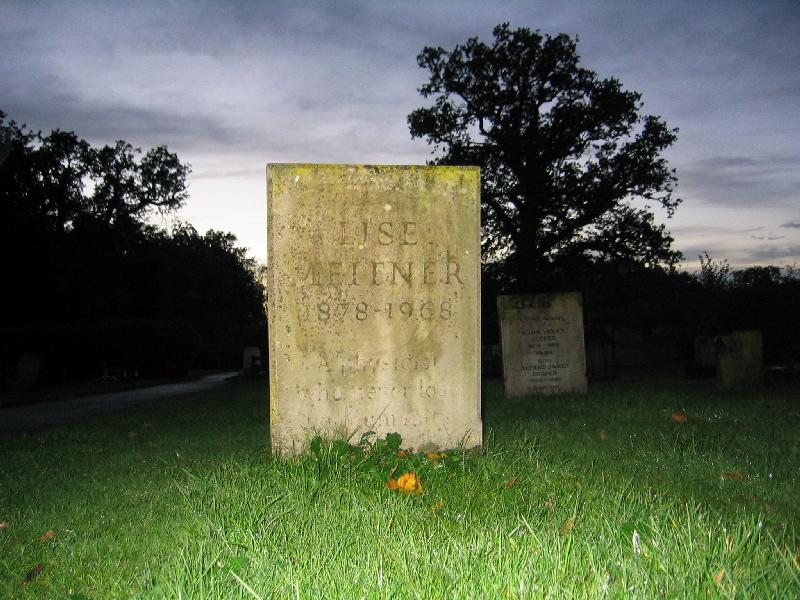
Grave of Lise Meitner, St James's churchyard, Bramley, Hampshire. Inscription: "A physicist who never lost her humanity" Grave of Lise Meitner, Bramley, Hampshire, by Deben Dave via Wikimedia Commons (CC BY-SA 3.0) -
Meitner's legacy is a re-understanding of the world; she should be as famous a name as Einstein and Bohr. Those two absolutely considered her to be their scientific peer and colleague. Generations of sexism have tried to erode her fame, but we can bring her back to light.
-
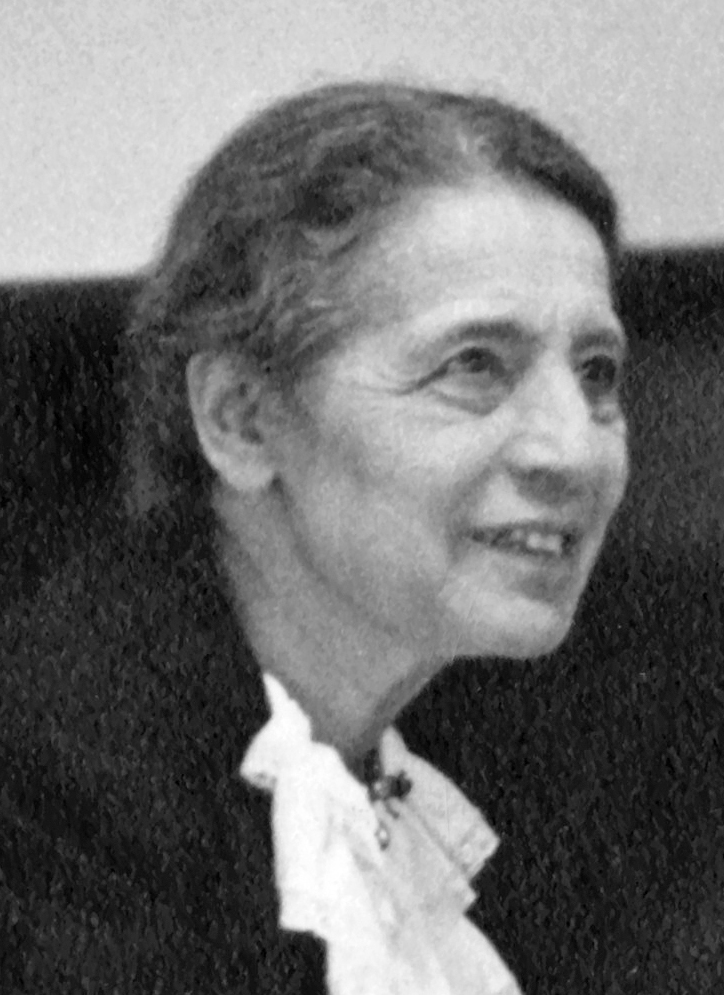
Lise Meitner, c. 1950s, public domain public domain
Text and images copyright © 2020-2023 Laurie Voss
except where indicated
except where indicated