Theodosius the Great
-
We are at #EuropeanBios entry #15 already because still lockdown. Our subject is Theodosius 1, also known as Theodosius the great. You may not have heard much about him before, but it turns out he was tremendously influential in fucking up the world forever, so let's dig in.
-
As a Roman emperor, Theodosius has no shortage of connections to our other recent subjects since he had the same job as them, but according to several sources he was born in Italica, which is the same place in Spain that Hadrian The Extremely Gay was born.
-
Theodosius lived from 347 to 395, but if you're like me you don't have a lot of historical milestones around then. Luckily we just covered Constantine the Great, who died just 10 years before Theodosius was born:
-
The two big things Constantine did were: created a second capital of the Roman empire at Constantinople (a Greek city previously called Byzantium) and significantly reduce the persecution of Christians in the empire, himself converting to Christianity on his deathbed in 337.
-
These two things are both extremely important to the life of Theodosius. He became emperor in 392, 55 years after Constantine's rule ended, but a sign of how turbulent times were for Rome is that since Constantine they'd had 19 different emperors, often two or more at a time.
-
The empire split at the time of Constantine into Eastern and Western halves; Constantine united both but they split up again after him and there was a great deal of civil war, usurpations, etcetera. Theodosius was the last to rule both halves before they split forever.
-
Theodosius was something of a novelty from the emperors of the last 50 years in that he hadn't been selected as the biological child of a previous emperor, which had been a new idea when Marcus Aurelius tried it 200 years before but was now pretty common.
-
Theodosius took the enormous power he had won and used it to get involved in extremely intense theological arguments which despite making very little difference to everyday practice of Christianity completely consumed the lives of the people who ran the world at that time.
-
The specific point of discussion was a thing called "homoousion", a very specific Greek term that means "being of the same essence" and the specific question was: are god, Jesus, and the holy spirit 3 separate things, or all aspects of a single thing?
-
That seems like a very unimportant point to me but let me tell you they went completely apeshit trying to decide. Constantine kicked off the trouble in 325 by convening a group called the Council of Nicaea, which said they were all one but was unhelpfully vague about exactly how.
-
Theodosius after quite a lot of hemming and hawing decided he was into the Homoian take (the alternative was called Arianism after a dude called Arius) and then, because people were spending a LOT of time and energy debating it, decided to come down hard in favor of his position.
-
To do this he declared the Edict of Thessalonica, in which he declared Nicene Trinitarianism (aka Homoousion) to be the only real version of Christianity, the only one that could call itself Catholic, and everyone else were "foolish madmen". This did not go as planned!
-
It seems what Theodosius was trying to do was bring some calm to the empire by getting everyone to shut up about Homoianism vs Arianism, because, and I can't emphasize this enough, the arguments about it were just consuming enormous amounts of everyone's time, it was a huge deal.
-
Declaring that there was only one real way to be Christian and that everyone else was a heretic was a new idea; Christianity had been pretty wishy-washy and flexible up until this point. In fact, the whole meaning of "heresy" as "bad" rather than "unusual" originated at this time.
-
Having invented the modern concept of heresy, Theodosius set to work in a blizzard of innovation when it come to being head of a tyrannical and intolerant religion. He kicked off thousands of years of religious conflict by making Catholicism rigid, doctrinaire and intolerant.
-
This was also when the concept of "Catholicism" as separate from "Christianity" came into being; until then the words had been synonyms but Theodosius was the one who drew a sharp dividing line between "correct" Christianity and everybody else.
-
Theodosius then declared pagans heretics. This was also novel; the idea that Christianity could declare other religions to be "incorrect" was new. Previously Christianity, smaller and weaker than paganism, had been all about coexistence. Now they started trying to stamp it out.
-
Theodosius took the existing concept of "maleficium", roughly meaning witchcraft or sorcery, and declared paganism and everything non-Catholic to be maleficium. The idea that witches are bad? Theodosius. The idea that "pagans" means "witches"? Theodosius. He was very influential!
-
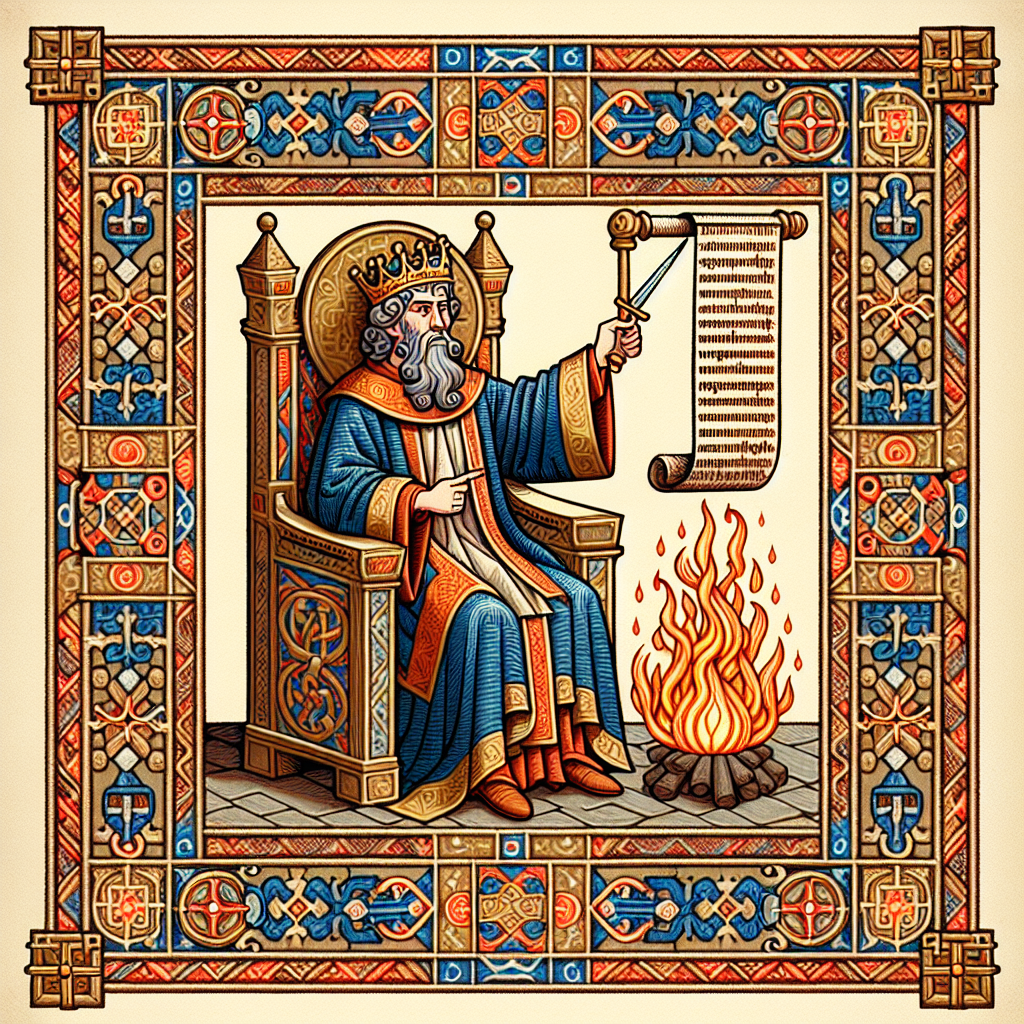
Really getting into the swing of things, Theodosius then got into book-burning as a way of getting rid of unacceptable doctrine. This was also new, if only because it was only quite recently that books had become common enough to have substantial quantities to burn. Great going!
-
On top of all that, it turned out that declaring heretics to be criminals whose property could be seized created another problem, which is that Christian doctrine was still quite unformed. People started declaring their political enemies heretics right and left. It was chaos.
-
Theodosius spent 42 years as emperor, the longest tenure of any Roman emperor, and in that time he turned a squishy, peace-and-love faith into the intolerant, murderous, bigoted nightmare that the Catholic church became. What a fucker! Thanks a lot, Theo.
-
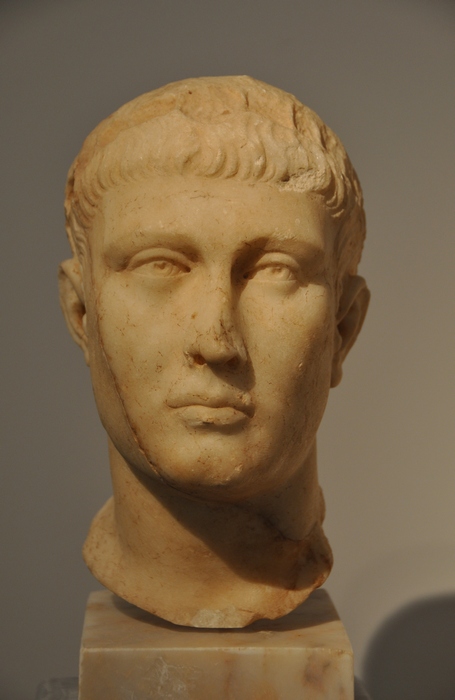
Possibly a bust of Theodosius; this head was found near to a statue base dedicated to Theodosius. BY CC-SA livius.org
- Previously: Constantine
- Next: Augustine of Hippo
- Full list
Text and images copyright © 2020-2023 Laurie Voss
except where indicated
except where indicated